تطورت شبكة Peppol لتصبح المعيار الدولي للمعاملات التجارية الإلكترونية الآمنة والمنظمة والقابلة للتشغيل البيني. واعتبارًا من عام 2026، يبلغ عدد الدول والأقاليم الأعضاء في OpenPeppol — وهي المنظمة غير الربحية التي تدير شبكة Peppol — ما يقرب من 50 دولة ومنطقة. وإليكم الدليل الكامل للدول الأعضاء في Peppol.
تم التحديث في 16 يونيو 2026
التوافق التشغيلي العالمي بين الشركات (B2B) — أصبح حقيقة واقعة
من أوروبا إلى منطقة آسيا والمحيط الهادئ وأمريكا الشمالية وأفريقيا، تواصل الشبكة توسعها، مما يتيح للشركات والقطاع العام تبادل الفواتير الإلكترونية والطلبات الإلكترونية وغيرها من المستندات التجارية عبر الحدود من خلال بنية تحتية رقمية واحدة وموثوقة.
توفر Peppol طريقة موحدة لتبادل الرسائل التجارية، بما في ذلك الفواتير الإلكترونية والطلبات الإلكترونية ومذكرات الخصم. ويتصل كل مشارك من خلال مزودي خدمات معتمدين — يُعرفون باسم «نقاط الوصول» — ويُثبت هويته باستخدام Peppol ID.
يُغني هذا النظام عن الحاجة إلى عمليات تكامل مخصصة أو اتصالات ثنائية. وسواء كان الطرف المقابل سلطة عامة في فنلندا أو موردًا في سنغافورة، فإن Peppol تضمن وصول مستندات شركتك بأمان وبالشكل الصحيح.
اكتشف الفروق الرئيسية بين Peppol وأنظمة تبادل الرسائل بين الشركات (VAN) التقليدية.
توافر Peppol في البلدان
تتضمن Peppol الآن:
- جميع الدول الأعضاء في الاتحاد الأوروبي بالإضافة إلى المملكة المتحدة والنرويج وسويسرا وأيسلندا
- الاقتصادات العالمية الكبرى مثل الولايات المتحدة وكندا واليابان والصين والهند وأستراليا
- تزايد المشاركة في مختلف أنحاء آسيا (سنغافورة، ماليزيا، تايوان) والشرق الأوسط (الإمارات العربية المتحدة)، مع تسارع وتيرة المشاركة في أفريقيا — فقد أصبحت نيجيريا أول هيئة Peppol في القارة عام 2025، وتقوم جنوب أفريقيا بتنفيذ مشروع تجريبي
تشارك الدول في شبكة Peppol على مستويات مختلفة — فبعضها يعمل بصفته سلطة وطنية، وبعضها الآخر يستضيف مزودي خدمات معتمدين، في حين أن عددًا قليلاً منها مرتبط بالشبكة من خلال عضوية تجريبية أو منتسبة.
- هيئة Peppol ومقدمو الخدمات المعتمدون
البلدان التي تدير هيئة Peppol وطنية وتستضيف مقدمي خدمات معتمدين، مما يتيح إدارة الشبكة والوصول إليها بشكل كامل. - المزودون المعتمدون
البلدان التي تضم مزودي خدمات Peppol معتمدين ولكنها تفتقر إلى هيئة Peppol وطنية.
: البلدان أو الأقاليم الأخرى المرتبطة بشبكة Peppol من خلال أنواع عضوية أخرى أو المشاركة التجريبية.
يمثل هذا التوسع تحول «بيبول» من مبادرة أوروبية للفواتير الإلكترونية إلى إطار عمل عالمي للتشغيل البيني.
دليل Peppol الخاص بالبلدان
أستراليا
يُعد «بيبول» (Peppol) المعيار الرسمي للفواتير الإلكترونية في القطاع العام، ويُستخدم على نطاق واسع في القطاع الخاص، حيث يضم أكثر من 400,000 شركة وأكثر من 300 هيئة حكومية ومجلس مسجلين فيه. وتسري معالم محددة للقطاع العام في عام 2026 — حيث يجب معالجة ما لا يقل عن 30% من فواتير الكيانات غير المؤسسية التابعة للكومنولث عبر الفواتير الإلكترونية بحلول 1 يوليو 2026، ويجب أن تكون الوكالات قادرة على إرسال ومعالجة الفواتير الإلكترونية عبر Peppol بحلول ديسمبر 2026 — على الرغم من عدم وجود تفويض واسع النطاق بين الشركات (B2B) حتى الآن.
النمسا
تفرض النمسا استخدام نظام Peppol في المعاملات بين الشركات والجهات الحكومية (B2G)، مما يعزز قابلية التشغيل البيني والمشتريات الإلكترونية على الصعيد الوطني. وتتمتع البلاد ببنية تحتية قوية وامتثال قوي من جانب القطاع العام.
بلجيكا
تشترط بلجيكا على جميع الموردين للقطاع العام إرسال الفواتير الإلكترونية عبر نظام «ميركوريوس» (Mercurius)، المتكامل مع نظام «بيبول» (Peppol). ودخل نظام الفواتير الإلكترونية المنظمة بين الشركات (B2B) حيز التنفيذ في 1 يناير 2026، استنادًا إلى معيار «بيبول BIS 3.0» ونموذج لامركزي، مع فترة سماح انتهت في 31 مارس 2026.
بلغاريا
تفرض بلغاريا استخدام الفواتير الإلكترونية بين الشركات (B2G) منذ عام 2020. ولا يوجد حتى الآن إلزام باستخدام الفواتير الإلكترونية بين الشركات (B2B)، ولكن من المقرر بدء العمل بنظام الإبلاغ الضريبي المنظم على مراحل (SAF-T) في عام 2026 ويستمر حتى عام 2030، مع التخطيط لتقديم التقارير الإلكترونية في الوقت الفعلي عبر نقاط الوصول Peppol. ويمكن حاليًا تبادل الفواتير الإلكترونية بين الشركات (B2B) بشكل طوعي وبالاتفاق المتبادل.
كندا
تم إطلاق نظام Peppol في عام 2019، لكن التنوع في اللوائح التنظيمية وقلة الوعي أعاقا اعتماده. تعمل نقاط الوصول بالفعل، لكن لم يصدر بعد أي قرار وطني بشأنه.
الصين
تشارك الصين في مبادرة Peppol بشكل أساسي من خلال نقاط وصول معتمدة في إطار برامج تجريبية. ويركز اعتماد هذه المبادرة على الأعمال التجارية الدولية بدلاً من التطبيق الإلزامي على الصعيد الوطني.
كرواتيا
فرضت إصلاحات «الرقمنة الضريبية 2.0» في كرواتيا إلزامية استخدام الفواتير الإلكترونية المنظمة بين الشركات (B2B) والإبلاغ الإلكتروني في الوقت الفعلي اعتبارًا من 1 يناير 2026 على دافعي الضرائب المسجلين في نظام ضريبة القيمة المضافة. ويستند هذا الإطار إلى معيار Peppol، حيث تعمل FINA كنقطة وصول معتمدة لـ Peppol، ومن المتوقع التخلص التام من الفواتير الورقية بحلول 1 يناير 2027.
قبرص
قبرص عضو في شبكة OpenPeppol، حيث تستخدم الجهات العامة نظام Peppol لإصدار الفواتير الإلكترونية بين الشركات والجهات الحكومية (B2G). وتشجع التشريعات الوطنية على توسيع نطاق اعتماد نظام المشتريات العامة.
جمهورية التشيك
تسهل جمهورية التشيك إصدار الفواتير الإلكترونية عبر الحدود من خلال شبكة Peppol، مع الالتزام بمعايير الاتحاد الأوروبي. ويتزايد اعتماد القطاع الخاص لهذه الخدمة بالتوازي مع الإجراءات الإلزامية في القطاع العام.
الدنمارك
كانت الدنمارك أول دولة تفرض استخدام الفواتير الإلكترونية في المشتريات العامة، وذلك باستخدام منصتي NemHandel وPeppol منذ عام 2005، مما جعلها رائدة على الصعيد العالمي. وبموجب قانون المحاسبة لعام 2022، يجري حالياً تطبيق نظام المحاسبة الرقمية الإلزامي والقدرة على إصدار الفواتير الإلكترونية بين الشركات (B2B) على مراحل، ليشمل الشركات الصغيرة اعتباراً من عام 2026، مع استخدام NemHandel وPeppol (Peppol BIS / OIOUBL) كقنوات للتبادل.
إستونيا
تفرض إستونيا استخدام الفواتير الإلكترونية القائمة على معيار Peppol في القطاع العام. اعتبارًا من 1 يوليو 2025، يمكن لأي شركة مسجلة كمستلم للفواتير الإلكترونية أن تطلب من مورديها تقديم فواتير إلكترونية منظمة (EN 16931 / Peppol BIS 3.0)، كما يجري حالياً النظر في تطبيق نظام إلزامي أوسع نطاقاً للتعامل بين الشركات (B2B) بحلول عام 2027 تقريباً.
فنلندا
تُلزم فنلندا جميع الموردين الذين يتعاملون مع كيانات القطاع العام بإرسال فواتير إلكترونية تتوافق مع المعيار الأوروبي. ومنذ أبريل 2024، أصبح استخدام نظام "Peppol Advanced Ordering" إلزامياً في عقود المشتريات الحكومية لإصدار أوامر الشراء الإلكترونية والردود عليها. وتقوم وزارة الخزانة الفنلندية بدور السلطة الوطنية المعنية بنظام Peppol، وتسهم هذه الإجراءات في تعزيز التجارة الرقمية بين الشركات والحكومة (B2G)، مما يجعل Peppol حجر الزاوية في سير عمل المشتريات العامة في فنلندا.
فرنسا
تستخدم فرنسا منصة «Chorus Pro» المركزية، التي تدعم بروتوكول Peppol في المعاملات بين الشركات والحكومة (B2G) وبين الشركات (B2B).
عينت فرنسا رسمياً سلطتها الضريبية (DGFiP) لتكون «السلطة الوطنية لـ Peppol» في يوليو 2025، استعداداً لتطبيق لائحتها الإلزامية الرئيسية الخاصة بالفواتير الإلكترونية بين الشركات (B2B). وتعمل الحكومة بنشاط على تطوير المعايير الفنية، وقد أطلقت «دليل PPF» لتوجيه الفواتير، وتلزم الشركات باستخدام منصات معتمدة مزودة بقدرة الاتصال بشبكة Peppol. وقد أصبح استخدام Peppol في القطاع العام راسخًا، وبدأت المرحلة التجريبية للفواتير الإلكترونية بين الشركات (B2B) في فبراير 2026. اعتبارًا من 1 سبتمبر 2026، يجب أن تكون جميع الشركات قادرة على استلام الفواتير الإلكترونية، في حين يتعين على الشركات الكبيرة والمتوسطة الحجم أيضًا إصدارها وتقديم التقارير الإلكترونية إلى DGFiP؛ على أن تتبعها الشركات الصغيرة والمتناهية الصغر في 1 سبتمبر 2027.
مزيد من المعلومات حول خدمات Peppol في فرنسا.
ألمانيا
تُلزم ألمانيا الجهات العامة بقبول الفواتير الإلكترونية عبر نظام Peppol، على الرغم من أن الموردين يمكنهم اختيار التنسيقات، كما أن المنصات الوطنية مثل XRechnung تدمج نظام Peppol لضمان قابلية التشغيل البيني. اعتبارًا من 1 يناير 2025، يجب أن تكون جميع الشركات المحلية العاملة في مجال الأعمال بين الشركات (B2B) قادرة على استلام الفواتير الإلكترونية المنظمة، على أن يتم تطبيق الإلزام بإصدارها تدريجيًّا خلال الفترة 2027–2028 وفقًا لحجم الشركة.
مزيد من المعلومات حول «E-Rechnung» و«Peppol» في ألمانيا.
اليونان
تعد الفواتير الإلكترونية بين الشركات والجهات الحكومية (B2G) إلزامية في اليونان، حيث تُستخدم شبكة Peppol كقناة للتبادل بين الشركات والجهات الحكومية، ويتم إرسال البيانات إلى منصة myDATA الوطنية. ويجري تطبيق الفواتير الإلكترونية الإلزامية بين الشركات (B2B) عبر منصة myDATA على مراحل خلال عام 2026 — حيث تبدأ الشركات الكبيرة في 2 مارس 2026 (مع فترة انتقالية حتى 3 مايو 2026)، بينما تبدأ الشركات المتبقية في 1 أكتوبر 2026.
المجر
المجر عضو في شبكة OpenPeppol، وتعمل بنشاط على تطوير أطر عمل الفوترة الإلكترونية لديها. ويجري حالياً تطبيق نظام الفوترة الإلكترونية بين الشركات والجهات الحكومية (B2G) على نطاق واسع.
أيسلندا
تفرض أيسلندا استخدام نظام الفواتير الإلكترونية Peppol في القطاع العام، مستفيدةً من بنيتها التحتية الرقمية المتطورة. كما يتم تشجيع القطاع الخاص على اعتماد هذه الشبكة في التجارة عبر الحدود.
الهند
يعمل نظام الفواتير الإلكترونية الإلزامي في الهند عبر نظام ضريبة السلع والخدمات (GST) الوطني بدلاً من نظام Peppol: يجب تسجيل الفواتير بين الشركات (B2B) المشمولة بالنظام على بوابة تسجيل الفواتير (IRP) للحصول على رقم مرجعي للفاتورة (IRN) ورمز الاستجابة السريعة (QR) — وهو نموذج تخليص مركزي. ويشمل هذا الإلزام حاليًا الشركات التي يبلغ حجم مبيعاتها السنوية 5 كرور روبية أو أكثر. ولا يزال استخدام نظام Peppol في الهند محدودًا.
أيرلندا
يستخدم مكتب المشتريات العامة في أيرلندا نظام Peppol لإصدار الفواتير الإلكترونية الإلزامية بين الشركات والجهات الحكومية. وقد تم إحراز تقدم كبير في ربط منصات القطاعين العام والخاص.
إيطاليا
تفرض إيطاليا استخدام الفواتير الإلكترونية عبر منصة SdI، التي تدعم بروتوكول Peppol في المعاملات بين الشركات والحكومة (B2G) وبين الشركات (B2B). ويضمن بروتوكول Peppol الامتثال للقوانين والأمن والشفافية الضريبية.
اليابان
أصبحت اليابان «سلطة Peppol» في عام 2021 من خلال «الوكالة الرقمية»، التي تتولى إدارة معيار الفواتير JP PINT. ويُعد استخدام Peppol في الفوترة الإلكترونية أمرًا اختياريًّا، لكنه يُشجَّع بشدة، كما أن معدل اعتماده آخذ في الازدياد بالتوازي مع «نظام الفواتير المعتمدة» الذي تم تطبيقه في أكتوبر 2023 لأغراض ضريبة الاستهلاك. ولا يوجد أي إلزام باستخدام Peppol.
الأردن
تقوم الأردن بتجربة نظام "بيبول" (Peppol) في مجال الفواتير الإلكترونية بين الحكومة والشركات، بهدف توحيد إجراءات الشراء. ومن المقرر توسيع نطاق تطبيقه ليشمل قطاع التجارة بشكل عام.
لاتفيا
تفرض لاتفيا استخدام الفواتير الإلكترونية بين الشركات والجهات الحكومية (B2G) اعتبارًا من 1 يناير 2025. أما الفواتير الإلكترونية الإلزامية بين الشركات (B2B)، فقد تم تأجيل تطبيقها من عام 2026 إلى 1 يناير 2028، مع إمكانية تقديمها طوعًا عبر نظام eAddress اعتبارًا من مارس 2026؛ ويجب أن تتوافق الفواتير المشمولة بهذا النطاق مع معيار Peppol BIS Billing 3.0.
ليتوانيا
تستخدم الجهات العامة في ليتوانيا نظام Peppol، مع تزايد مستمر في اعتماده في مجال الفواتير الإلكترونية وإصلاحات المشتريات. ويدعم القانون الوطني المزيد من الرقمنة باستخدام OpenPeppol.
لوكسمبورغ
تشترط لوكسمبورغ استخدام نظام Peppol في التعاملات بين القطاعين العام والخاص (B2G)، وذلك من خلال نقاط وصول متنوعة مخصصة للجهات العامة. وتقود وزارة الرقمنة عملية التنفيذ.
ماليزيا
تقوم ماليزيا بتطبيق نظام الفواتير الإلكترونية الإلزامي على مراحل عبر منصة «MyInvois»، باستخدام نظام «Peppol» لضمان قابلية التشغيل البيني. وقد بدأ تطبيق هذا النظام على دافعي الضرائب من فئة « Large » في أغسطس 2024، تليهم الشركات المتوسطة الحجم في عام 2025، على أن تنضم الشركات الصغيرة (التي يتراوح حجم مبيعاتها السنوية بين 1 و5 ملايين رينغيت ماليزي) اعتبارًا من 1 يناير 2026 في إطار فترة تساهل خالية من الغرامات تمتد حتى 31 ديسمبر 2027. وتُعفى الشركات التي يقل حجم مبيعاتها السنوية عن مليون رينغيت ماليزي من هذا الإجراء.
مالطا
تستفيد مالطا من منصة Peppol في مجال الفواتير الإلكترونية للقطاع العام كجزء من إصلاحات الحكومة الرقمية. ويجري حالياً توسيع نطاق تطبيقها في مجال الأعمال بين الشركات (B2B).
المكسيك
لا تزال الفواتير الإلكترونية في المكسيك في مراحلها التجريبية، حيث يُستخدم نظام Peppol بشكل أساسي في المعاملات التجارية الدولية. ولم يتم بعد إصدار أي قرارات إلزامية على المستوى الوطني.
هولندا
يُعد نظام Peppol ضروريًا لإصدار الفواتير الإلكترونية في القطاع العام بهولندا، وهو يدعم التجارة على مستوى الاتحاد الأوروبي. وتعمل مبادرة Simplerinvoicing، التي تستند إلى نظام Peppol، على تبسيط المعاملات.
نيوزيلندا
هناك عدد كبير ومتزايد من الشركات النيوزيلندية المسجلة في نظام الفواتير الإلكترونية عبر Peppol، في ظل سريان اللوائح الإلزامية الخاصة بالقطاع العام. وسيُطلب من الموردين الحكوميين استخدام Peppol، حيث يتعين على الوكالات الحكومية التي تصدر أكثر من 2,000 فاتورة محلية سنويًّا أن تكون قادرة على إصدار الفواتير الإلكترونية بحلول 1 يناير 2026؛ أما الموردون الكبار فيتعين عليهم ذلك بحلول 1 يناير 2027.
نيجيريا
أصبحت هيئة الضرائب النيجيرية (FIRS) أول هيئة وطنية معتمدة من Peppol في أفريقيا في عام 2025. وقد بدأ تطبيق الفوترة الإلكترونية الإلزامية بين الشركات (B2B) عبر منصة Merchant Buyer Solution (MBS) — المتوافقة مع معايير Peppol وUBL — في 1 نوفمبر 2025 بالنسبة للمكلفين الكبار (الذين يبلغ حجم مبيعاتهم السنوية 5 مليارات نايرا أو أكثر)، على أن يتبعهم المكلفون من الشركات المتوسطة الحجم (الذين يتراوح حجم مبيعاتهم السنوية بين 1 و5 مليارات نايرا) اعتبارًا من 1 يوليو 2026.
النرويج
تعد النرويج أحد الأعضاء المؤسسين لـ «بيبول» (Peppol)، وقد فرضت استخدام معيار «بيبول/EHF » للفواتير الإلكترونية في القطاع العام منذ عام 2019. ويجري حالياً العمل على تطبيق هذا المعيار في مجال الأعمال بين الشركات (B2B) — حيث من المقرر أن يصبح إصدار الفواتير الإلكترونية المنظمة إلزامياً اعتباراً من 1 يناير 2027، على أن يتبع ذلك إلزامية استلامها وتطبيق نظام المحاسبة الرقمي بالكامل بحلول عام 2030.
مزيد من المعلومات حول «EHF » و«Peppol» في النرويج.
بولندا
تشترط بولندا استخدام نظام Peppol لإصدار الفواتير الإلكترونية بين الشركات والجهات الحكومية (B2G)، إلى جانب المنصة الوطنية KSeF. وقد بدأ تطبيق الفواتير الإلكترونية الإلزامية بين الشركات (B2B) عبر منصة KSeF في 1 فبراير 2026 بالنسبة للمكلفين الكبار (الذين تجاوز حجم مبيعاتهم في عام 2024 مبلغ 200 مليون زلوتي بولندي)، على أن تتبعهم معظم الشركات الأخرى في 1 أبريل 2026، ثم الشركات الصغيرة جدًا اعتبارًا من 1 يناير 2027. وتسري فترة إعفاء من الغرامات طوال عام 2026.
البرتغال
تفرض البرتغال استخدام الفواتير الإلكترونية بين الشركات والجهات الحكومية (B2G) — على الشركات الكبيرة منذ عام 2021، وعلى الشركات الصغيرة والمتوسطة والمؤسسات الصغيرة جدًّا اعتبارًا من 1 يناير 2026 — متكاملة مع منصة eSPap. لا يوجد إلزام بالتسوية الإلكترونية بين الشركات (B2B)؛ ففي حالة B2B، لا تُعتبر الفواتير بصيغة PDF إلكترونية إلا إذا صدرت بتنسيق منظم أو موقعة بتوقيع إلكتروني معتمد، وهو شرط تم تأجيله إلى 1 يناير 2027.
رومانيا
تطبق رومانيا نموذج تسوية مركزي عبر منصة «RO e-Factura (SPV)» بدلاً من نظام التبادل Peppol. وأصبحت الفواتير الإلكترونية بين الشركات (B2B) إلزامية اعتبارًا من 1 يوليو 2024 باستخدام تنسيق CIUS_RO، وتم توسيع نطاق تطبيقها ليشمل الفواتير الإلكترونية بين الشركات والمستهلكين (B2C) اعتبارًا من 1 يناير 2025. وتسري فترة سماح للشركات الصغيرة (التي يقل حجم مبيعاتها السنوية عن 500 ألف يورو) حتى 1 يوليو 2026.
صربيا
تستخدم صربيا نظام Peppol في إطار المشاريع التجريبية المتعلقة بالوثائق الرقمية وإصلاحات الفواتير الإلكترونية. ومن المقرر توسيع نطاق الاستخدام مع تسارع وتيرة التحول الرقمي.
سنغافورة
يقود نظام «InvoiceNow» عملية اعتماد نظام «Peppol». فاعتبارًا من نوفمبر 2025، يتعين على الشركات حديثة التأسيس التي تسجل طواعيةً في ضريبة السلع والخدمات (GST) إرسال بيانات الفواتير إلى مصلحة الضرائب في سنغافورة (IRAS) عبر نظام «InvoiceNow»، على أن يمتد هذا الشرط ليشمل جميع المسجلين الجدد طواعيةً في ضريبة السلع والخدمات (GST) اعتبارًا من 1 أبريل 2026. وسيتم بعد ذلك توسيع نطاق متطلبات GST InvoiceNow تدريجيًا ليشمل جميع الشركات المسجلة في ضريبة السلع والخدمات (GST)، على أن تكتمل المرحلة النهائية بحلول أبريل 2031. وتظل سنغافورة رائدة في المنطقة.
سلوفاكيا
تفرض سلوفاكيا استخدام نظام Peppol للفواتير الإلكترونية في القطاع العام. وينص التشريع الذي يدخل حيز التنفيذ اعتبارًا من 1 يناير 2026 على إلزامية الفواتير الإلكترونية بين الشركات (B2B) والإبلاغ الإلكتروني في الوقت الفعلي اعتبارًا من 1 يناير 2027، باستخدام نموذج Peppol الخماسي الأطراف (DCTCE)، حيث تتبادل الشركات الفواتير المنظمة وفقًا لمعيار EN 16931 مباشرةً، مع إرسال البيانات إلى الإدارة المالية — وهي الهيئة الوطنية المعنية بنظام Peppol. سيكون التبادل المباشر الطوعي ممكنًا اعتبارًا من مايو 2026، على أن تبدأ المعاملات عبر الحدود في 1 يوليو 2030، بما يتماشى مع الجدول الزمني لبرنامج ViDA التابع للاتحاد الأوروبي. تعرف على المزيد حول الفواتير الإلكترونية في سلوفاكيا، وeFaktúra، وحلول Peppol.
سلوفينيا
تفرض سلوفينيا استخدام نظام «بيبول» (Peppol) في إصدار الفواتير الإلكترونية للقطاع العام. ومن المقرر أن يصبح إصدار الفواتير الإلكترونية بين الشركات (B2B) إلزامياً في يناير 2027 (بعد تأجيل الموعد من منتصف عام 2026)، على أن يكون نظام «بيبول» أو مقدمو الخدمات المعتمدون هم الخيارات المتاحة للتبادل؛ وقد تم التخلي عن اقتراح سابق يقضي بتقديم التقارير إلى سلطة الضرائب في وقت شبه فوري.
جنوب أفريقيا
تقوم جنوب أفريقيا بتجربة نظام Peppol في القطاع العام، مع التركيز على قابلية التشغيل البيني مع الشركاء التجاريين في الاتحاد الأوروبي. ويجري حالياً مناقشة مهام أخرى.
إسبانيا
تستخدم إسبانيا نظام Peppol للامتثال لمتطلبات الفوترة الإلكترونية بين الشركات والحكومة (B2G). وبموجب المرسوم الملكي رقم 238/2026، الذي ينفذ قانون «Crea y Crece»، سيتم تطبيق الفوترة الإلكترونية الإلزامية بين الشركات (B2B) بشكل تدريجي اعتبارًا من 1 أكتوبر 2027 للشركات التي يزيد حجم مبيعاتها السنوية عن 8 ملايين يورو، واعتبارًا من 1 أكتوبر 2028 لجميع الشركات الأخرى. بشكل منفصل، فإن متطلبات برنامج الفوترة المُثبتة «VeriFactu» — التي تم تأجيلها لمدة عام في ديسمبر 2025 — تسري الآن اعتبارًا من 1 يناير 2027 بالنسبة لدافعي الضرائب من الشركات، واعتبارًا من 1 يوليو 2027 بالنسبة للعاملين لحسابهم الخاص.
السويد
تشترط السويد استخدام نظام Peppol في جميع عمليات الفوترة الإلكترونية للقطاع العام، معتمدةً على منصة SFTI لضمان الامتثال. وقد دخل هذا الإلزام الوطني حيز التنفيذ منذ عام 2019. وتدعم نقاط الوصول المنتشرة على نطاق واسع الشركات والجهات الحكومية.
سويسرا
سويسرا عضو في شبكة OpenPeppol. وأصبحت الفواتير الإلكترونية الموجهة إلى الإدارة الاتحادية إلزاميةً للعقود التي تزيد قيمتها عن 5,000 فرنك سويسري منذ عام 2016 (ويُعد Peppol BIS من بين التنسيقات المقبولة)، في حين يستمر انتشار استخدام Peppol في القطاعين العام والخاص على نطاق أوسع في التزايد. ولا يوجد أي إلزام فيما بين الشركات (B2B).
تايوان
تقوم تايوان بتجربة نظام Peppol في مجال الفواتير الإلكترونية، مع التركيز على التبادل الدولي بين الشركات (B2B). ويجري حالياً النظر في إجراء إصلاحات وطنية.
تركيا
تهدف مشاريع Peppol التجريبية في تركيا إلى تسهيل التجارة الرقمية بين القطاع الخاص والحكومة. ولا يزال اعتمادها على نطاق واسع في انتظار المستقبل.
الإمارات العربية المتحدة
تقوم دولة الإمارات العربية المتحدة بتطبيق نموذج الفوترة الإلكترونية DCTCE (خماسي الأطراف) القائم على نظام Peppol، بموجب القرارين الوزاريين رقم 243 و244 لعام 2025. تبدأ المرحلة التجريبية في يوليو 2026، مع إلزام الشركات التي تزيد إيراداتها السنوية عن 50 مليون درهم إماراتي باستخدام الفواتير الإلكترونية اعتبارًا من 1 يناير 2027، على أن تتبعها مراحل أخرى. يجب تبادل الفواتير من خلال مزود خدمة معتمد. تعرف على المزيد حول جاهزية الإمارات العربية المتحدة لتطبيق الفواتير الإلكترونية، والمواعيد النهائية الرئيسية، والمتطلبات.
المملكة المتحدة
تستخدم المملكة المتحدة نظام Peppol في معاملات خدمة الصحة الوطنية (NHS) والفواتير الإلكترونية للقطاع العام، مع توفير دعم جيد للتجارة عبر الحدود. كما يتزايد اعتماد هذا النظام في مجال الأعمال بين الشركات (B2B) في أعقاب خروج بريطانيا من الاتحاد الأوروبي.
الولايات المتحدة الأمريكية
يُستخدم نظام "بيبول" على نطاق واسع في المشاريع التجريبية ومبادرات القطاع الخاص، لكنه يفتقر إلى تفويض اتحادي. ويتزايد اعتماده بين الشركات التي تسعى إلى تحقيق التوافق التشغيلي على الصعيد العالمي.
تُعد «تحالف شبكات الأعمال الرقمية» (DBNA) هي الجمعية الأمريكية المعنية بالفواتير الإلكترونية، وقد صُممت على غرار شبكة «بيبول» (Peppol) الأوروبية. وتستخدم كلتا الشبكتين نموذج «الأركان الأربعة» نفسه ومواصفات تقنية مفتوحة وموحدة لتمكين الشركات من تبادل المستندات الإلكترونية.
تواصل معنا: خدمات Peppol مع Qvalia
بصفتها نقطة وصول معتمدة من Peppol، تتيح Qvalia للشركات من جميع الأحجام إرسال واستلام المستندات المتوافقة مع معايير Peppol على الفور.
من خلال Qvalia Connect، يمكن للمستخدمين الانضمام إلى الشبكة على الفور.
- تسجيل Peppol ID دقائق
- استلام وإدارة الفواتير الإلكترونية والطلبات الإلكترونية وغير ذلك
- حقق التوافق التام مع معايير Peppol دون تعقيدات تقنية
- الدمج عبر واجهة برمجة التطبيقات (API) أو استخدام واجهة الويب الخاصة بـ Qvalia
- ابدأ مجانًا، وقم بالترقية مع نمو أعمالك
تدعم منصتنا أحدث معايير Peppol BIS، مما يوفر الرؤية والتحكم والأتمتة على طول مسار المعاملة بأكمله.
التوقعات
مع انضمام ما يقرب من 50 دولة إلى المنصة، أصبحت Peppol العمود الفقري لعملية التحول الرقمي في التجارة العالمية. وتدرك الحكومات والشركات على حد سواء الإمكانات التي توفرها في خفض التكاليف وزيادة الشفافية ودفع عجلة الأتمتة. وفي Qvalia، نواصل دعم هذا النمو من خلال مساعدة المؤسسات على التواصل والامتثال للمعايير والابتكار في المعاملات بين الشركات (B2B).
لمزيد من المعلومات حول الامتثال، والفواتير الإلكترونية، وPeppol، قم بتنزيل أحدث تقرير صادر عن Billentis بعنوان «Riding the Tornado (2026)».
مقالات ذات صلة
أصبحت «كفاليا» الآن متصلة بـ«إلما» (ELMA)، وهو سجل المستلمين التابع للوكالة النرويجية للرقمنة والمخصص للسوق النرويجية. وهذا يعني أنه يمكننا تسجيل عملائنا في …
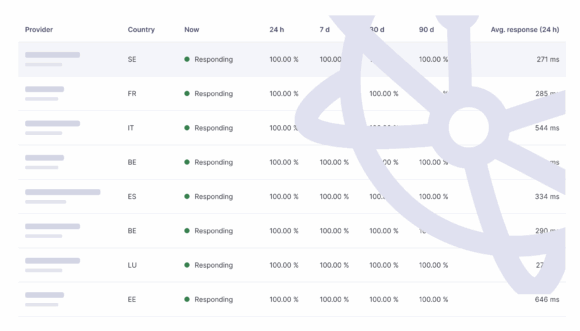
يعرض جهاز المراقبة العام الجديد من «كفاليا» الحالة ووقت التشغيل المقاس ووقت الاستجابة لنقاط النهاية AS4 التابعة لـ 132 نقطة وصول Peppol في 34 دولة.
توفر «بيبول» بنية تحتية موحدة لتبادل الفواتير الإلكترونية والوثائق التجارية الأخرى. لكن التوحيد القياسي لا يعني أن كل معاملة ستتم تلقائيًا. …