- Why finance process automation matters for CFOs
- Identify your automation potential
- Key takeaways: identify your potential
- Improve data quality
- Programming your financial processes
- Monitor business relations
- Improve your analytics
- The platform for finance teams to automate processes
- Frequently asked questions

Why finance process automation matters for CFOs
By Qvalia | Updated October 2026
Finance process automation is the use of software to handle repetitive financial tasks — invoice processing, approvals, reconciliation, and reporting — without manual data entry. Done well, it turns transactional data into a source of speed, accuracy, and insight rather than a bottleneck.
The mechanics inside the financial department are changing rapidly. Digitization helps these processes become more manageable, efficient, and accessible, and it simplifies the analysis of your data.
Automation is the pinnacle of this transformation — the promise of streamlined, automated handling of repetitive tasks with precise control and optimized workflows. But rolling out a successful program requires more than just the right technology. You need a fundamental understanding of the why behind it all and how it will impact your company and the way you approach your new workflow.
While some business administrators achieve massive benefits with automation, others are still in a state of flux because they lack a proper roadmap for bringing their organizations into the modern day with competitive financial processes.
Is automation your most important asset?
The first step of any disruptive digitization project is taking control of the information. How is this data created and processed? And more importantly, what do you want to achieve through it? Achieving better quality data has several implications:
- More productive processes
- More efficient automation
- Useful analytics
- A stronger bottom line
- New business models — the end-game of the digital transformation
This guide won’t focus too much on your current system or IT stack, because the journey should start with your current process, the data it produces, and how you manage it. With improved data control, you’ll be in a much better position to decide how your software should support you.
The first section below covers planning, assessment, and basic evaluation of your automation potential. Next are the processing, formats, and quality of your transactions. The third section explores automation and how to approach it correctly. The monitoring of business relations is covered in the fourth section. Finally, we focus on analytics — and how to improve systematic follow-ups, especially around your spend.

The big secret to automation
Digitization programs are rolled out en masse across industries every day. Whether companies implement automation to eliminate manual tasks or artificial intelligence to improve decision making, this development and all its supporting technologies are here to stay.
The goal of any digital transformation is to improve key areas, including:
- The way employees work
- How the workforce leverages technology to achieve positive outcomes
- How decisions are made in an automated environment
Let’s start by disclosing the big secret. The automation of financial processes doesn’t start with systems or technology; it begins with your data. As a CFO, you’re luckily the data champion of your organization.
Identify your automation potential
If you’re the data champion, the natural next question is: champion of what, exactly? This section starts there — the most common pitfall of a transformative finance project, an alternate approach that avoids it, why the CFO should be the one leading, and four action points to start your project immediately.
Digital transformation, one of the inevitable megatrends in business, is naturally on most companies’ agendas. Although it has been evolving for decades, real change in administrative processes with significant results has been surprisingly absent.
Research has shown that only half of executives think they have developed and implemented these strategies successfully (Wipro Digital, 2017). Only a third of all digital transformation projects reach their goals (McKinsey, 2018). Not many attempts have been successful, so what’s the deal?
Digital transformation projects
Did your project reach its goal?
30% yes
70% no
McKinsey, 2018
Was your digital transformation project successful?
50% yes
50% no
Wipro Digital, 2017
Why have the results been so unsatisfying? The answer is rather complicated, but one essential aspect is often neglected: the importance of beginning with an end in mind.
A data-first approach
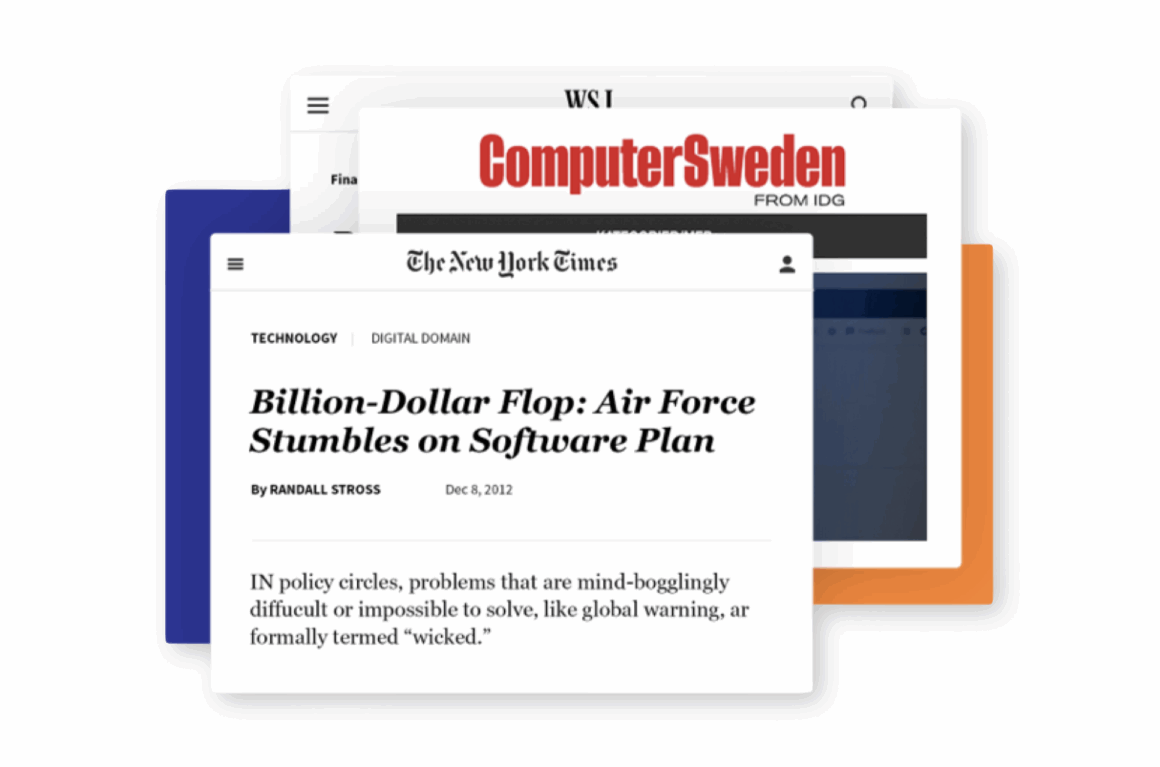
Companies often rush quickly into procurement processes, software implementation projects, and major ERP upgrades, but digital transformation is not about getting yet another software solution. Focus on technology and features too early, and you might create the wrong incentives and end up working counterproductively.
It’s true that the promises of new ERPs and niche software rarely fail to impress, but the implementation is almost always a large undertaking with considerable risks. A return on investment is far from certain as the scope narrows while the number of consultants increases and timelines and budgets get extended. You don’t have to look far for examples.
If you are in the middle of an implementation project, take a step back and ask yourself whether the foundational work is complete. For a digital change project to achieve a return, it requires a specific understanding of the business and its metrics. What do you want to achieve? What are your organizational goals and visions? What would a perfect process supporting that goal look like?
The financial information architect
Many aspire to leadership in the transformative process inside an organization. A lot of people aspire to claim ownership of new roles like CIOs or CDOs. Perhaps the question of who owns the project provides a clue as to why some companies fail.
After all, the backbone data of any organization today is actually the same as it was centuries ago: collect, structure, and analyze data from transactions. The outcome must then be aligned with the processes and business objectives.
This particular type of data management has been on the desks of treasurers and accountants for a long time. It’s undoubtedly the domain of the CFO, the financial information architect.
The earliest accounting record originates from Mesopotamia, 5,000 BC.
In light of this expertise and its impressively long heritage, it’s surprising that few finance professionals are actually in the lead of the digital transformation.
The IFS Digital Transformation survey (2017) states that only 35% are in the driver’s seat for digital initiatives even when it’s in the business’s best interest.
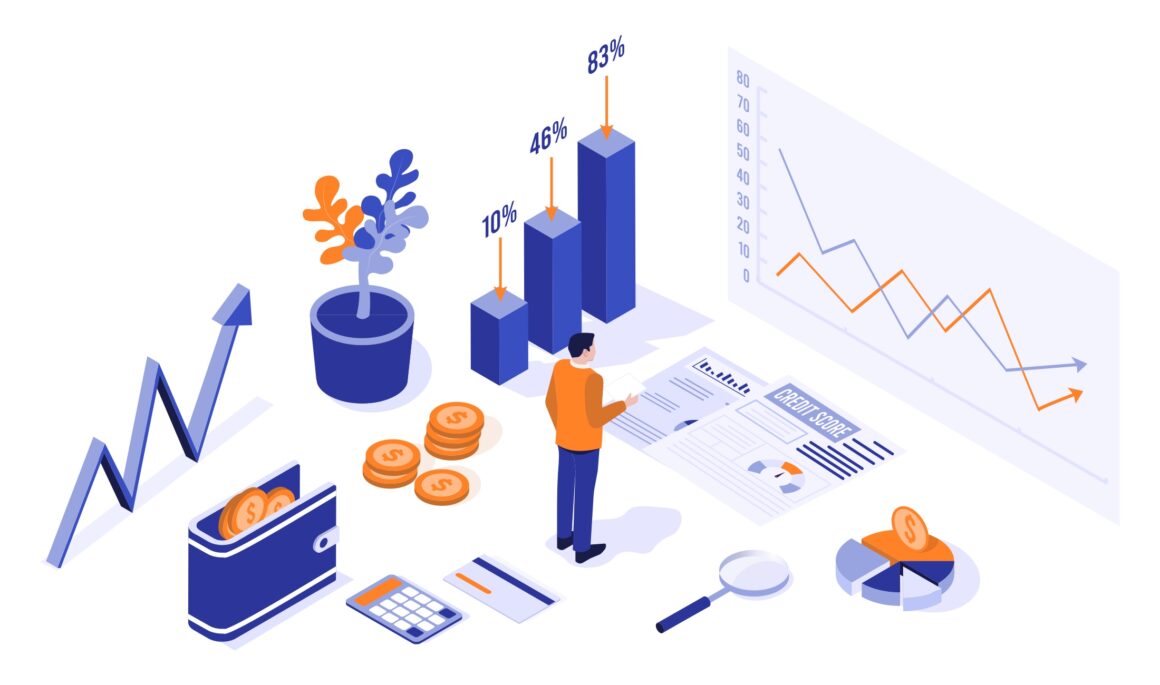
Start where you stand. Take control of the digital transformation by defining its potential first, so that you own the vision of the end goal. Begin with small steps and clear data points. Establish your potential by defining the ratio between analog and digital input data, like for invoices. Sustainable automation is only achievable when your data is truly digital.
Key takeaways: identify your potential
Claim process ownership. The CFO has a solid understanding of how the core business process is translated into key data points.
Analyze your transactions. It’s a low-risk starting point since it’s not a consumer-facing process.
Know your potential. What can a digital change project achieve? Establish your automation potential by defining the ratio between analog and digital input data. Identify essential time-wasting steps in your process — for example, how many manual account entries do you have? Are your invoices e-invoices, paper, or PDFs? How much time is spent on deviations and dispute management? Turning analog formats into digital ones (how many suppliers use paper or PDF invoices?) reduces risk, increases visibility, and contributes to end-to-end process automation.
Ask yourself. How do you distribute sales invoices? Which formats do you use? What is the ratio between manual and online orders?
Improve data quality
Sizing up your potential is only useful if the data behind it can be trusted. That’s the focus here: why quality is an essential building block of digital transformation, whether our data is actually up to the task despite all the new technology at our disposal, and — once again — four action points for a rapid increase in data quality.
Your sales and purchase transactions are the backbone of your company. As one of your most critical sources for business data, they’re the equivalent of a modern-day goldmine.
As long as they’re well managed, transactional data — in the form of invoices, receipts, payments, and others — can generate detailed insights and increase efficiencies in processes across the organization, from procurement to pay and from order to cash.
Are we digital enough?
Invoices today are not only processed with software applications on desktop computers but also in the cloud and even on mobile apps on the go. Invoice approval processes are also much faster thanks to new developments like RPA solutions.
Do these technologies mean that organizations are fully digitized already, and that we’ve reached the end of the line? Business digitization has come a long way, but every chain is only as strong as its weakest link.
In finance, the weak link is far too often poor data quality due to inconsistent or inefficient formats.
Get on top of confusion caused by formats
Low-quality formats are far too common in business, impacting data quality and hurting processes with constant deviations that require manual work to fix. The ever-present risk of misinterpretation and human error certainly doesn’t help.
Here is a familiar example: PDF is not a genuinely digital format. It doesn’t make you smarter or more efficient, even if you can process it in your software and use OCR technology. The error margin is still too high and unnecessary.
In fact, software systems have a hard time processing data with varying degrees of structure. Information keeps being locked up in PDF images and Excel sheets, requiring manual attention even for the most basic and repetitive tasks.
The 3 types of transactional data
1. Structured data. Business documents and file formats with structured, machine-readable data, such as EDIFACT, UBL, and XML. The most common example is the e-invoice.
2. Hybrid data. Formats with both structured and unstructured data, like an image file. Examples include ZUGFeRD and PDF/A.
3. Unstructured data. Invoice information stored and managed as an image file, scanned paper invoice, or other unstructured point. The most common example is the PDF, but sometimes other formats like JPG and TIFF are included too.
Some well-known hurdles of automation include:
- Invoices on paper and PDF documents
- The multitude of electronic invoice formats
- Price lists in Excel sheets
- The all-too-familiar box full of forms, invoices, and memos filed under “other documents”
As a CFO, you need to get your team on top of the data format confusion. Prioritize an action plan for turning an analog transactional data input (offers, price lists, invoices, etc.) into digital data, whether we’re talking about supplier or customer-facing documents.
A mandatory policy that requires suppliers to send e-invoices would be a given and result in the most significant positive impact. Equally important, however, is that your customer invoicing can be highly automated from order to cash with new technologies. This change allows for efficient B2B e-commerce, recurring invoicing, integrated card payments, reconciliation, credit monitoring, and more.
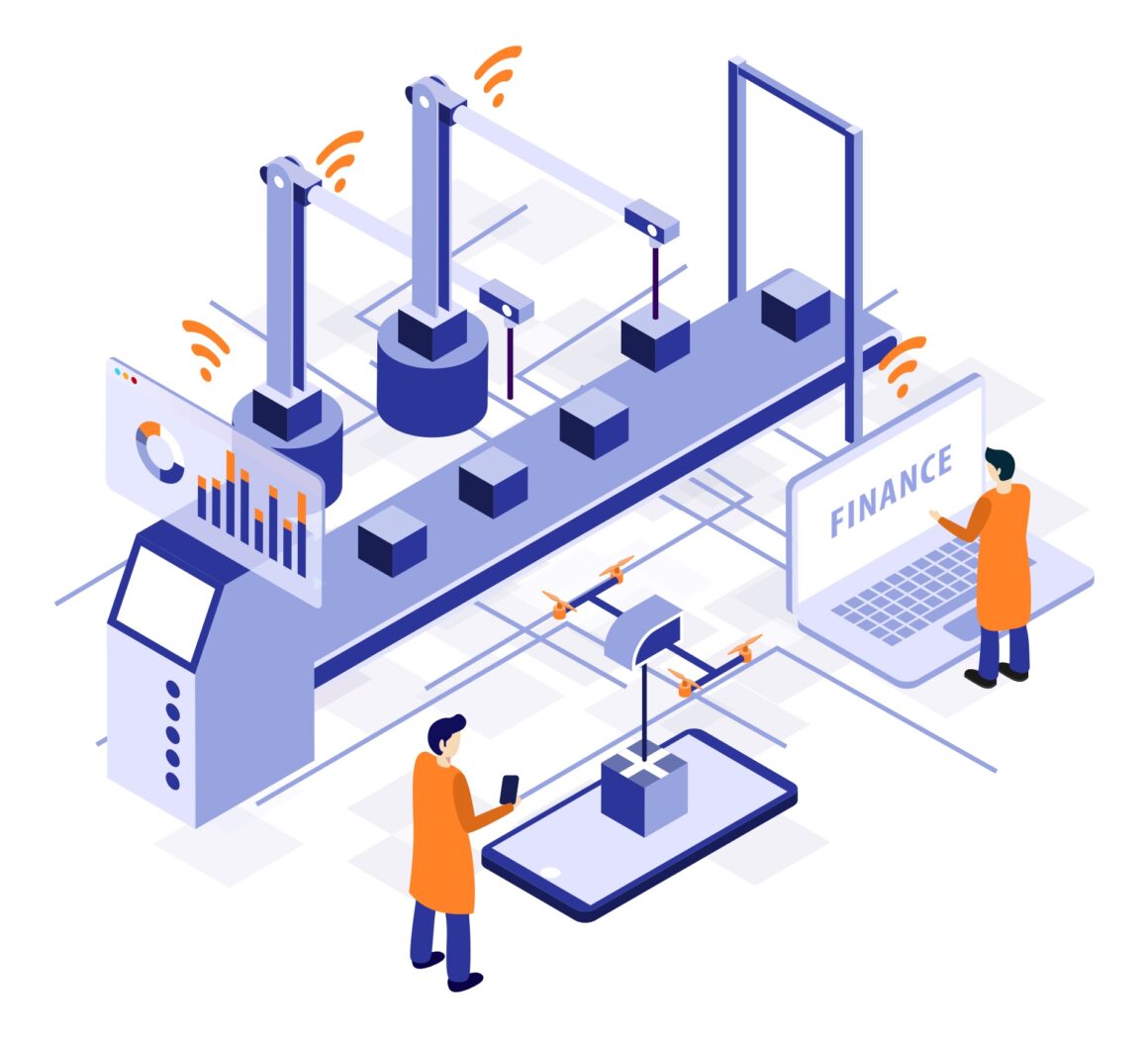
Key takeaways: improve data quality
Identify formats. Identify all the different data formats currently in use, from digital to analog.
Internal requirements. Define which information is essential to your business in procurement, accounts payable, and accounts receivable.
Engage partners. Start a dialog with suppliers and customers to encourage the use of e-invoices.
Expand. Investigate opportunities to adopt e-order handling, digital contracts with e-signing, and other e-documents.
Structured data is essential to improving the quality of your data and the efficiency of your financial processes. Your suppliers are incentivized (or forced, in some instances) to send you e-invoices. Consumer-facing processes can often be digitized to an even higher degree.
Qvalia improves sales and purchase transactions by automating the accounts payable and accounts receivable departments, as well as managing deviations, bounce-backs, reconciliations, and more.
Programming your financial processes
With clean, structured data in place, automation stops being a gamble and becomes something you can actually build on. Automation is the most powerful outcome of a successful digital strategy — this section covers the foundational work it needs, how to approach robotic process automation and artificial intelligence, and how to avoid the most common mistakes.
Even though automation is the most apparent end goal in most digital transformations, the roadmap is not always as clear.
Automation with a genuinely positive impact is easier said than done, because not all automation solutions are created equal. How can CFOs implement value-adding automation as an end goal in their transformative journeys?
Let’s start with the proposition: automation allows knowledgeable workers, like financial staff, to skip repetitive manual tasks in favor of more important jobs in the business that directly support the growth and control of the firm.
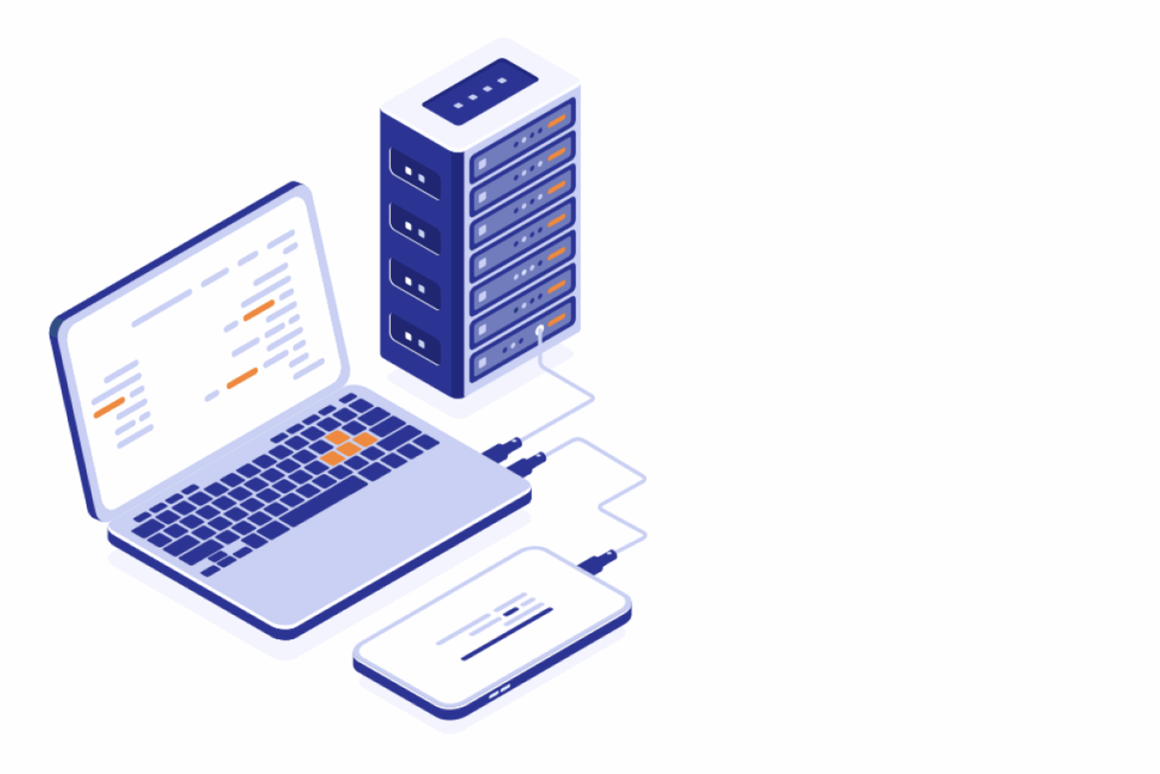
RPA: a risky shortcut?
RPA is all the rage now. Short for robotic process automation, it’s an umbrella term for the technologies developed to automate specific tasks, with or without the help of artificial intelligence.
Think of it as a personal agent, an application working relentlessly for you while you focus on working for the business. The promise of a personal army of robots at your will is indeed seductive.
RPA is rarely integrated with the legacy software you might use now, but rather takes the form of an interface that sits on top of the UI. In applications like accounting and planning, it simply pushes keys and executes tasks on behalf of the user.
This version of RPA sounds convenient but has four significant drawbacks:
Challenge #1: implementation
The implementation phase requires significant resources. Robots and AI need training and adjusting to improve performance, regardless of the tasks they are assigned.
Challenge #2: data quality
Automation is only as good as its input. Low quality in means low quality out. If you’re not in complete control of your data, the improvements won’t show, and the benefits won’t happen.
Challenge #3: maintenance and risk
Would you feel safe with an autopilot on the approval workflow of your purchase invoices? Are you ready to invest in customizations and take the financial responsibility of maintaining your tailor-made solution in the long run? If so, how do you ensure that it’s future-proofed?
Challenge #4: deviations
Common pitfalls
- Missing PO numbers
- Double payments
- Overpayments
- Wrong pricing
- VAT errors
The deviation dilemma
Data quality and learning curves go hand in hand for both people and robots. Better information leads to faster learning. Deviations, as explained above, can contribute to the AI learning curve. Unfortunately, it’s a risky route — you need to carefully evaluate whether it’s the best automation technology for your business.
Deviations in invoice processes are a massive source of inefficiencies and a threshold for automation.
Moreover, if we consider the Pareto principle, 20% of the transactions create 80% of the workload — a reminder of just how concentrated the inefficiencies in finance operations really are.
So why is AI not part of the core solution? You can apply as much smart technology as possible, but it won’t do any good if your data and processes aren’t in order.
And keep in mind: a transaction process requires two parties. You are as dependent on your supplier’s data quality and processes as your own.
Programming your processes
We’ve previously discussed the importance of data quality. Your focus on improving it shouldn’t end even when your current solutions can already work with it. Further enhancements always help.
And it’s not a problem if your current solutions can’t meet your requirements now. Here is where digital formats come in; with e-invoices as the most transformative example, the complete digital exchange of transactional information ensures that no critical information gets lost.
Your next step is naturally to take control of the systems and processes. You need to basically be programming your business. Transactional data flows throughout your organization all the time, relating to a variety of areas, including:
- Storage and formats
- Deviation handling processes
- Sales and purchase data
- Updating routines
- Approval workflows
- Security
Think you have a clear sense of how all this information moves? The truth is that most CFOs and other stakeholders in the organization are often uninformed about these areas.
Finance professionals need to take a hard look at their workflows and understand the complex web of requirements and dependencies central to improving and automating them.
The financial transaction process
Manual or technology-aided systems support you through the process — each with its own input, output, triggers, and rules.

Each step in your financial process has its own data processing, triggers, and rules. Ask yourself the following questions:
- What rules would you implement?
- How would you program your business?
- What validations need to be done?
- How do you manage deviations?
- What would an optimal approval workflow look like?
- How would you ensure transactions are approved easily?
- How would you conduct transactional accounting?
You don’t have to make big steps first. Getting started can be as easy as beginning with a mapping and listing exercise.
Key takeaways: programming your processes
Define how data flows. Map out how transactional data travels through your business, from input to output.
Chart your workflows. Use visuals as much as possible to get an overview of hurdles and opportunities for optimization.
List systems, software, and integrations. Every step has a chance of damaging your data and preventing automation. Identify the total cost of each.
Frame your challenges. Make a shortlist of complexities, bottlenecks, risks, and costs.
Define your automation end goal. What would a best-case scenario look like, given your specific processes and requirements?
Achieving successful automation starts with generating high-quality data and using e-invoices, which are the fastest improvement businesses can start with. You can also use AI and RPA technologies to automate repetitive, structured tasks, but this solution has limitations with any type of deviation.
Instead, you should look for solutions with process programming in their DNA, where data is immediately recognized, 100% correct, and automatically managed by a transparent rules engine.
Fine-tuning efforts like the ones listed here are a step in the right direction, but if you want game-changing effectiveness, look at what you can improve right now. Assess your current systems and create charts of how your data is processed.
With this full insight into organizational operations, you can now visualize how you can program them to your desire. Qvalia provides a platform to create and manage processes from the ground up — automate your invoice handling, customer invoicing, workflows, and more by defining your own rules.
Monitor business relations
Automated processes are only as reliable as the master data feeding them, though. No matter how much your company excels at programming its processes, one consideration everybody still needs to get right is the business relationships — and the data about them — behind every transaction.
Relationships define your success, from revenue to branding to legal risk. While customers are the lifeblood of what you do, suppliers still play a huge role in managing risk, cash flow, and costs. This fact is especially apparent in retailers, resource-intensive manufacturers, and public sector entities, among others.
Managing risks
Risk is always worth the attention of your sales, procurement, and finance teams. Your master data records provide an overview and a list of detailed insights into sales and supply-side relationships.
Risks like fraud, bankruptcy, supply chain complexities, disputes, and contract non-compliance are all related to your master data. Without proper monitoring, these records quickly become unmanageable and outdated.
All possible issues with your suppliers are aggravated by inadequate monitoring. Without keeping a close eye on your suppliers, you miss possible insolvency or credit risks. Maintaining updated records also takes a considerable amount of time from your team.
Keeping records clean and tidy
A lot of companies might have thousands of suppliers and customers in their master data records, but too often not enough entries are updated to reflect active business relations. The rest are outdated records, duplicates, and discontinued businesses.
The definition of an active partner may vary, but most would agree that a company you haven’t done business with for the last few years wouldn’t count as an active partnership.
It’s also common that the same supplier is registered multiple times under different names or with outdated information — “Acme Ltd” might show up as “Acme Partners Ltd” or “Ltd Acme,” for example.
Outdated information raises the risk of paying the wrong company or bank account, or doing business with unreliable actors by accident.
Modern master data management should keep you updated and safeguard against these potential problems. It should receive critical information and alert you when major changes occur, such as a shift in a supplier’s financial status.
Essential business information
- Legal status
- Payment details
- Preferences
- Risks
- Transactions
- Agreements
Key takeaways: monitor business relations
Mapping. Map the roles, processes, and software involved in managing your supplier registry.
Qualification criteria. Determine what qualifies a supplier as “active.” What characteristics point to an active partnership?
Event criteria. Decide when and how a supplier’s status should change. Align your decision with your processes and tools. What should trigger a supplier to be removed from the record of active business relations?
A sustainable digital transformation of financial processes requires you to control your master data consistently. Acknowledge the importance of cleaning up and continually maintaining the supplier registry.
Improve your analytics
Clean data, automated processes, and well-governed supplier relationships all lead to the same payoff: numbers you can actually trust. That’s what spend analysis turns them into — the practice of analyzing a business’s purchases and procurement processes to find ways to lower costs and develop supplier relationships, by collecting and investigating spending data to determine risk and identify new ways to save money.
The goal of spend analysis is to answer several questions about the spending practices of the organization. These may include:
- What is being purchased?
- Who are you purchasing it from?
- Who in the company is buying it, and how much money is being spent?
- Are we receiving the quality goods or services we paid for?
- How does our spending compare to that of previous years?
Spend data accessibility relies heavily on the quality of your accounts payable process. When extracting data from various sources in the organization, keeping the format consistent matters. How do you consolidate data from multiple sources during the extraction process?
The answer lies in automated extraction. There are solutions available that can connect with various data sources, including accounting and enterprise resource planning software within your organization.
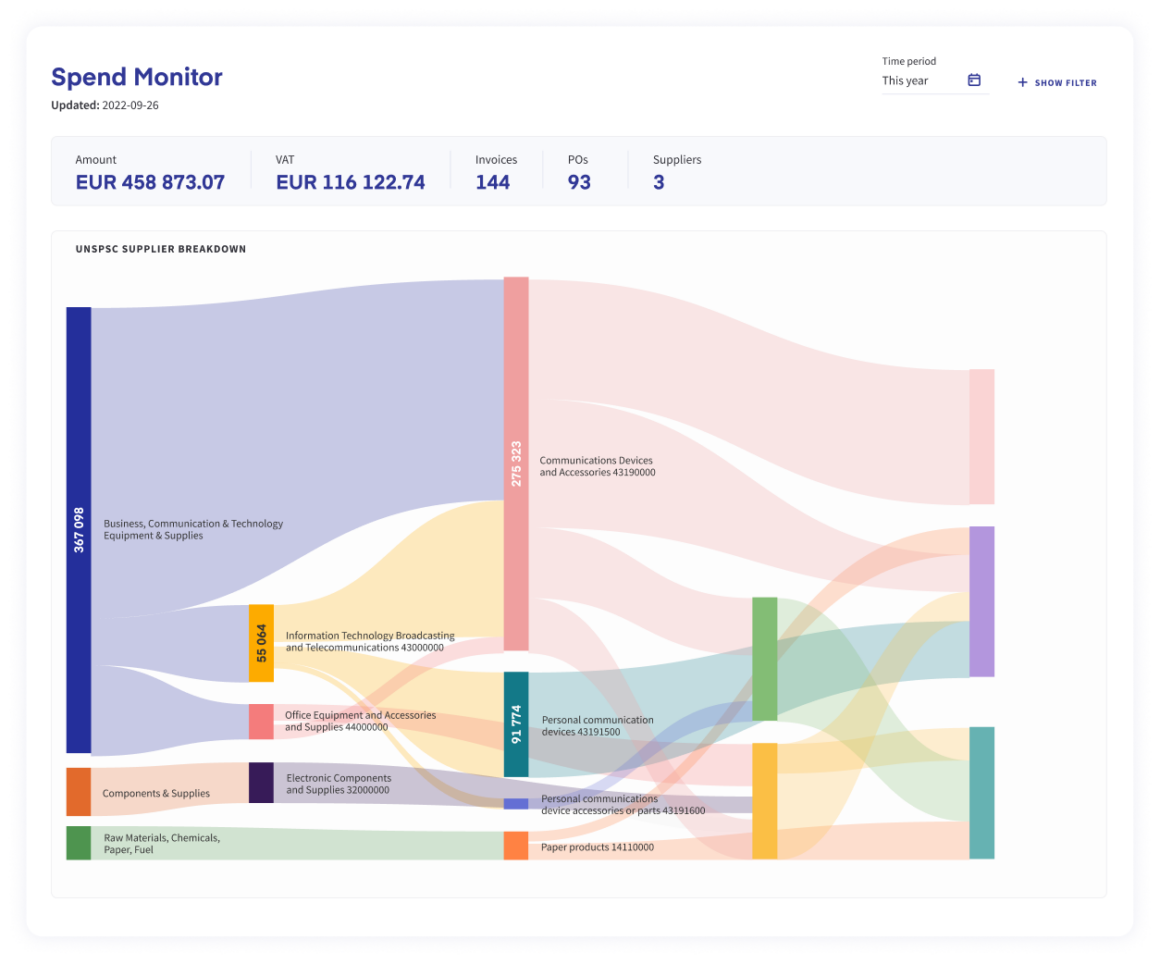
Spend Analytics provides line-item level insights in real time.
The main challenge from here is to unlock access to this spending data accurately and securely, in as much detail as possible. Your general ledger doesn’t contain row-level information, so you need to go back to the invoices. Also, do you know enough about your suppliers? Whenever you add new suppliers to your business, how can you integrate them quickly into your overall spending profile and get hold of updated, business-critical information?
Choose your analytics strategy
There’s no one-size-fits-all approach to spend analysis. It’s dependent on your specific business and industry. The following are a few tactics and use cases:
Category-based. Are you buying too many similar goods that do essentially the same things? Categories can give you insight into what you’re procuring and allow you to prioritize based on needs and budget.
Payment term-based. A payment term-based approach helps you gain back lost interest and negotiate better payment terms.
Tail spending-based. Tail spending refers to all the “leftover” spending that your main categories miss.
Contract-based. A contract-based spend analysis helps identify areas of non-compliance with your contracts and makes sure that only the optimal contracts are being negotiated.
Item-based. If you are buying the same item from different suppliers, there may be an opportunity to choose a better price.
Supplier-based. By searching for buying patterns, you can identify outliers and consolidate relationships with suppliers effectively.
Key takeaways: improve your analytics
Big objectives, small steps. Even a small increase in data quality and consistency can result in a more accurate analytics dashboard, for instance. Aim high, but go one step at a time to achieve your goals.
Continually improve. Spend analysis shouldn’t be an occasional, event-driven activity, but rather constant work in progress. Always look to expand the scope of your efforts.
Make it a team effort. Don’t think that procurement analysis is purely the job of financial or procurement professionals. Collaborate with all your stakeholders, from the IT department to other parts of the company, to get the most out of potential savings. Leveraging everyone’s participation allows for higher-quality, more complete data and stronger steps toward better performance.
Take action and track progress. Choose the right analysis strategy and which data points to keep track of, such as an item-based or supplier-based approach. Don’t forget to check the impact of your work at the end.
The entire purpose of spend analysis is to provide insight into how spend occurs within an organization. However, the insights generated are heavily dependent on the quality of your accounts payable process. Getting spend analysis right requires choosing the right strategy, taking a collaborative approach, having clearly defined processes, and implementing the necessary software and integrations to eliminate friction and inefficiencies from the process.
The platform for finance teams to automate processes
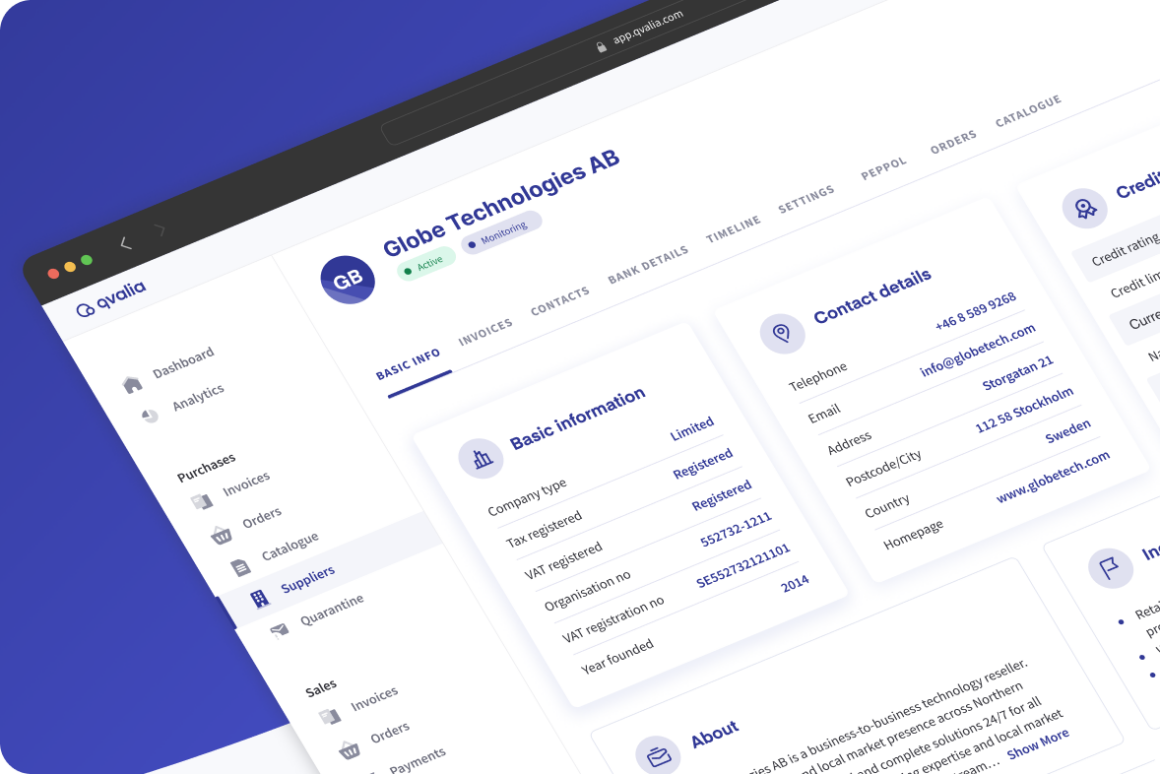
Identifying your potential, cleaning up your data, automating your processes, governing your supplier relationships, and sharpening your analytics — all five come back to the same underlying platform decision. Qvalia enables organizations to take full control of their transactional data and automate processes and accounting on a line-item level. The full suite solution provides automation capabilities within accounts payable, accounts receivable, transactional accounting, and analytics. It’s fully cloud-based and can be implemented without major changes or disruption to your IT infrastructure. The result is transformative for any finance process and any type of organization.
Key features
- Send and receive e-invoices for free
- Automated PDF conversion to electronic format
- Automated purchase invoice validation and dispute management
- Automated supplier register handling and monitoring
- Automated line-item preposting
- 1-click approval workflow app
- Automated invoicing, reconciliation, and ecommerce checkout
- Real-time line-item spend analytics
Frequently asked questions
What is finance process automation?
Finance process automation is the use of software to handle repetitive financial tasks — such as invoice processing, approvals, reconciliation, and reporting — without manual data entry. It relies on high-quality, structured data (like e-invoices) to work reliably, and it typically improves speed, accuracy, and visibility across accounts payable, accounts receivable, and transactional accounting.
Why should the CFO lead digital transformation in finance?
The CFO oversees the transactional data — invoices, receipts, payments — that every automation project depends on. Because that data has to be collected, structured, and analyzed before any system can act on it reliably, the CFO is well placed to own the roadmap, define the target metrics, and decide what “good data” looks like for the organization.
What is RPA, and how is it different from full process automation?
Robotic process automation (RPA) is a layer that sits on top of existing software and mimics manual keystrokes to complete tasks — it doesn’t change how the underlying data is structured. Full process automation instead programs the process itself, so data is recognized correctly and handled by a rules engine from the start. RPA can be useful for narrow, stable tasks, but it inherits the data-quality problems of the systems it sits on top of and struggles with deviations.
What is spend analysis, and why does it matter for CFOs?
Spend analysis is the practice of collecting and investigating an organization’s purchasing and procurement data to find cost savings, manage supplier risk, and improve buying decisions. It depends on clean, line-item-level accounts payable data, and it typically answers questions like what’s being purchased, from whom, by whom, and how spending compares to previous periods.
How do you keep supplier master data clean and up to date?
Keeping supplier records reliable means defining clear criteria for what counts as an “active” supplier, removing or flagging duplicate and outdated entries, and using a system that automatically updates and monitors records — legal status, payment details, and risk indicators — rather than relying on manual maintenance.