Sähköinen laskutus on tulossa Yhdistyneisiin arabiemiirikuntiin: mitä yritysten on syytä tietää
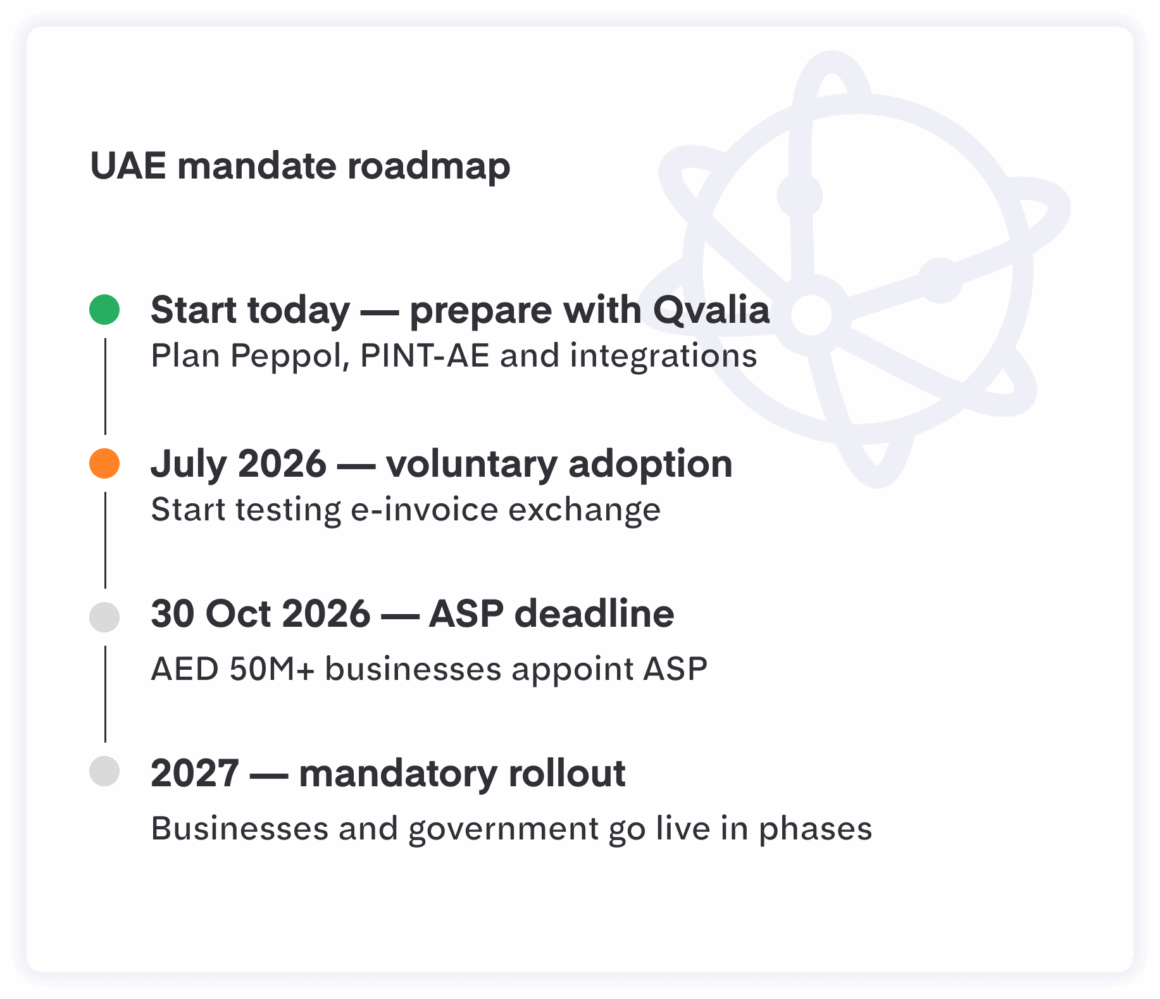
Yhdistyneiden arabiemiirikuntien sähköisen laskutuksen velvoite on muuttumassa konkreettiseksi toteutusprojektiksi talous-, vero- ja teknologiatiimeille. Valtiovarainministeriö ja liittovaltion veroviranomainen ottavat Yhdistyneiden arabiemiirikuntien sähköisen laskutusjärjestelmän käyttöön vaiheittain: vapaaehtoinen käyttöönotto alkaa vuonna 2026 ja pakollinen käyttöönotto vuonna 2027.
Yrityksille, jotka toimivat Yhdistyneissä arabiemiirikunnissa tai käyvät kauppaa niiden kanssa, muutos on muutakin kuin pelkkä uusi laskumalli. Se tuo mukanaan jäsennellyt laskutiedot, Peppol-pohjaisen tiedonvaihdon, hyväksytyt palveluntarjoajat, verotietojen raportoinnin sekä uusia vaatimuksia ERP-, kirjanpito-, laskutus- ja ostoreskontrajärjestelmille.
Mitä on muuttumassa?
Yhdistyneet arabiemiirikunnat ovat siirtymässä paperilaskutuksesta jäsenneltyyn sähköiseen laskutukseen. Tämän järjestelmän puitteissa sähköiset laskut laaditaan, lähetetään ja vastaanotetaan XML-muodossa. PDF-tiedostot, skannatut asiakirjat, kuvat, Word-asiakirjat ja sähköpostin liitetiedostot eivät yksinään riitä, elleivät ne täytä vaadittua jäsenneltyä muotoa. Virallinen erittely perustuu Peppol PINT-AE -standardiin, joka on Peppolin kansainvälisen sähköisen laskutuksen mallin Yhdistyneille arabiemiirikunnille mukautettu versio.
Malli rakentuu viiden osapuolen ympärille: toimittaja, toimittajan valtuutettu palveluntarjoaja, ostajan valtuutettu palveluntarjoaja, ostaja ja liittovaltion veroviranomainen. Valtuutetut palveluntarjoajat hoitavat tietojen vahvistamisen, vaihdon, vahvistusten ja verotietojen raportoinnin liiketoiminnan osapuolten ja liittovaltion veroviranomaisen välillä.
Tämä tarkoittaa, että sähköisen laskutuksen käyttöönotto ei ole pelkästään talousosaston tehtävä. Yritysten on tarkasteltava laskutietoja, asiakas- ja toimittajatietoja, teknisiä integraatioita, sisäisiä hyväksymisprosesseja, virheiden käsittelyä sekä raportointiprosesseja.
Ketkä kuuluvat soveltamisalaan?
Sähköinen laskutus on pakollista kaikille Yhdistyneissä arabiemiirikunnissa liiketoimintaa harjoittaville tahoille riippumatta arvonlisäverorekisteröinnistä, ellei sitä ole nimenomaisesti vapautettu. Sähköisen laskutuksen osallistujatunnus perustuu verotunnisteeseen (Tax Identification Number, TRN), ja yritykset, joilla on jo TRN-numero, käyttävät sen kymmentä ensimmäistä numeroa verotunnisteenaan.
Soveltamisalan tärkeimpiä liiketoimintatyyppejä ovat B2B-, B2G-, G2B- ja G2G-liiketoimet. Tavallisten kuluttajien kanssa tehtävät tavaroiden ja palvelujen toimitukset eivät kuulu sähköisen laskutuksen piiriin, mikä tarkoittaa, että tavanomaiset B2C-liiketoimet eivät yleensä sisälly soveltamisalaan. Julkisyhteisöille toimitetut tavarat ja palvelut, mukaan lukien Yhdistyneiden arabiemiirikuntien julkisten hankintaportaalien kautta tehdyt toimitukset, kuuluvat sähköisen laskutuksen piiriin.
Yhdistyneiden arabiemiirikuntien sähköisen laskutuksen tärkeimmät määräajat
Käyttöönotto alkaa pilottivaiheella ja vapaaehtoisella käyttöönotolla 1. heinäkuuta 2026 alkaen. Yritysten, jotka ottavat sähköisen laskutuksen käyttöön vapaaehtoisesti, on noudatettava teknisiä vaatimuksia, mutta hallinnollisia seuraamuksia sovelletaan vasta siitä päivästä lähtien, jolloin käyttöönotto on pakollista.
Päivitetty aikataulu on seuraava:
| Luokka | ASP-nimitysten määräaika | Pakollinen täytäntöönpano |
|---|---|---|
| Yritykset, joiden vuotuinen liikevaihto on yli 50 miljoonaa AED:tä | 30. lokakuuta 2026 | 1. tammikuuta 2027 |
| Yritykset, joiden vuotuinen liikevaihto on alle 50 miljoonaa AED | 31. maaliskuuta 2027 | 1. heinäkuuta 2027 |
| Valtion viranomaiset | 31. maaliskuuta 2027 | 1. lokakuuta 2027 |
Suuremmille yrityksille myönnetty määräajan pidentäminen antaa lisää aikaa valita hyväksytty palveluntarjoaja, mutta se ei siirrä käyttöönottopäivää. Toteutusaikataulu on edelleen tiukka organisaatioille, joilla on monimutkainen ERP-ympäristö, useita liiketoimintayksiköitä, suuri laskumäärä tai rajat ylittäviä liiketoimintavirtoja. (Valtiovarainministeriö – Yhdistyneet arabiemiirikunnat)
Mitä tietoja yritykset tarvitsevat?
Yhdistyneiden arabiemiirikuntien pakollisia kenttiä koskevissa ohjeissa määritellään sähköisissä verolaskussa ja sähköisissä kauppalaskuissa vaadittavat tiedot. Kentät kattavat laskun tiedot, myyjän ja ostajan tiedot, sähköpostiosoitteet, verotunnisteet, rekisteröintitiedot, maksutiedot, asiakirjan kokonaissummat, verojen erittelyt sekä rivikohtaiset tiedot.
Monille yrityksille tämä edellyttää perinteisiä PDF-pohjaisia prosesseja jäsennellympiä ja kattavampia laskutietoja. Tärkeitä esimerkkejä ovat Peppol-osallistujatunnisteet, oikeat TIN- ja TRN-tiedot, lailliset rekisteröintitunnisteet, veroluokkakoodit, tuotekuvaukset, mittayksiköt, laskun kokonaissummat sekä tarvittaessa arvonlisäveron ja maksettavien summien AED-määrät. Ohjeissa todetaan myös, että arvonlisäveron rivisumma ja maksettava kokonaissumma AED-määräisenä on ilmoitettava jokaisesta toimitetusta tavarasta tai palvelusta, vaikka lasku olisi laadittu toisessa valuutassa.
Käytännössä yritysten tulisi aloittaa tarkistamalla, pystyvätkö niiden ERP-, kirjanpito-, laskutus- tai laskutusjärjestelmät tuottamaan vaaditut kentät yhdenmukaisesti. Mitä aikaisemmin tietojen puutteet havaitaan, sitä helpompi ne on korjata ennen tuotantotietojen vaihdon aloittamista.
Miksi valmistautuminen tulisi aloittaa ennen määräaikaa
Ministeriön valmiusohjeet ovat selkeät: yritysten tulee perehtyä vaatimuksiin, valita laskutuspalveluntarjoaja, testata sähköisen laskunvaihdon ja raportoinnin toimintaa sekä laatia käyttöönottorutiinit seurantaa ja virheiden korjaamista varten.
Hyvään valmiusprojektiin tulisi sisältyä:
- Selvitetään, mitkä kohteet, liiketoimet ja laskuluokat kuuluvat soveltamisalaan.
- Asiakas-, toimittaja-, vero-, osoite- ja rekisteritietojen tarkistaminen.
- Tarkistetaan, pystyvätkö ERP- ja laskutusjärjestelmät luomaan tarvittavat laskukentät.
- Päätetään, miten laskutiedot lähetetään ASP:lle ja vastaanotetaan sieltä.
- Vahvistukset onnistuneesta tai epäonnistuneesta tietojen vaihdosta sekä verotietojen ilmoittamisesta.
- Poikkeustilanteiden käsittelyä, uudelleenkäsittelyä ja jatkuvia muutoksia koskevien vastuualueiden määrittäminen.
Ohjeissa suositellaan myös liiketoimintaprosessien kattavuusanalyysin tekemistä ja vahvistetaan, että järjestelmien on kyettävä tuottamaan ja poimimaan kaikki tarvittavat tiedot. Yritysten on mahdollisesti myös integroitava sovelluksensa ASP:n järjestelmiin ja määriteltävä hyväksymisprosessit uudelleen uuden sähköisen laskutuksen prosessin tukemiseksi.
Sääntöjen noudattamista koskevasta hankkeesta automaatiomahdollisuudeksi
Välittömänä syynä on säännösten noudattaminen, mutta siirtyminen jäsenneltyyn dataan voi tuoda pitkän aikavälin toiminnallisia etuja. Ministeriö korostaa mahdollisia liiketoiminnallisia etuja, kuten käsittelyaikojen lyhenemistä, standardoitujen muotojen ansiosta väheneviä riita-asioita, sähköisten hyväksymisprosessien kautta nopeutuvia maksusyklejä, digitaalista arkistointia sekä parempia vastausaikoja tilintarkastuksissa.
Taloushallinnon tiimeille sähköinen laskutus on tässä vaiheessa jo enemmän kuin pelkkä velvoite. Jäsennelty laskutietomateriaali voi tehostaa tietojen tarkistusta, täsmäytystä, hyväksyntää, raportointia ja analysointia. Se myös vähentää riippuvuutta manuaalisesta PDF-tiedostojen käsittelystä ja helpottaa ostoreskontran ja myyntireskontran prosessien automatisointia.
Miten Qvalia auttaa yrityksiä valmistautumaan
Qvalia auttaa yrityksiä ja alustakumppaneita valmistautumaan Yhdistyneiden arabiemiirikuntien sähköiseen laskutusjärjestelmään tarjoamalla Peppol-yhteensopivan infrastruktuurin, PINT-AE-valmiuden, API-integraation sekä verkkopohjaisen laskunvaihdon. Alusta tukee jäsenneltyjen liiketoimintadokumenttien lähettämistä, vastaanottamista, tarkistamista ja hallintaa Peppol-verkoston ja siihen liittyvien kanavien kautta.
Yritykset voivat aloittaa verkkopohjaisen sähköisen laskutuksen käyttöönotosta operatiivisissa toiminnoissa tai integroida sen suoraan Peppol-rajapintojen kautta ERP-, kirjanpito-, laskutus-, hankinta- tai alustan työnkulkuihin. Qvalia tukee myös niihin liittyviä asiakirjavirtoja, kuten hyvityslaskuja, laskuvastauksia, tilauksia, tuoteluetteloita ja muita Peppol-liiketoimintaviestejä.
Valmistaudu sähköiseen laskutukseen Arabiemiirikunnissa
Yhdistyneiden arabiemiirikuntien sähköisen laskutuksen pakollistaminen lähestyy nopeasti, ja tärkeimmät valmistelut on syytä aloittaa jo ennen käyttöönottopäivää. Varhain valmistautuvat yritykset voivat tarkistaa tietojen oikeellisuuden, testata järjestelmäintegraatioita, kouluttaa henkilöstöä ja vähentää toimintariskejä ennen pakollisen käyttöönoton voimaantuloa.
Tutustu Qvalian Arabiemiirikuntien sähköisiin laskutusratkaisuihin, jotka tukevat Peppol- ja PINT-AE-yhteensopivuutta.
Aiheeseen liittyvät artikkelit
Qvalia on saanut Slovakiassa sertifioidun sähköisen laskutuksen palveluntarjoajan statuksen, ja se tukee yrityksiä, ohjelmistoalustoja ja kumppaneita, jotka valmistautuvat …
Qvalian liiketoiminnan jatkuvuuden hallintajärjestelmä (BCMS) on sertifioitu kansainvälisen ISO 22301:2019 -standardin mukaisesti, joka koskee liiketoiminnan jatkuvuussuunnittelua ja organisaation sietokykyä.

Qvalia on nyt listattu Cloud Security Alliancen STAR-rekisteriin – joka on alan standardiviite pilvipalveluntarjoajien tietoturvan arvioinnissa.