
Co je to „ order-to-cash “ (O2C)?
Autor: Qvalia | Aktualizováno v září 2026
Order-to-cash (O2C) je komplexní proces, kterým podnik prochází od okamžiku, kdy zákazník zadá objednávku, až do okamžiku přijetí platby, a který zahrnuje správu objednávek, prověřování bonity, vyřízení objednávky, expedici, fakturaci, pohledávky, inkaso plateb a vykazování.
Váš prodejní tým tvrdě pracoval na tom, aby získal nové zákazníky a přesvědčil je, že vaše řešení jsou pro jejich situaci ideální. Až přijde čas na objednávku, určitě nechcete, aby frustrující zážitek z transakce zmařil jinak jistý prodej.

U velkoobjemových transakcí mezi podniky (B2B) je v sázce mnoho. Formální a dobře naplánovaný proces pro platby v rámci B2B má zásadní význam pro zlepšení zákaznické zkušenosti a pro to, abyste motivovali dlouhodobé partnery k další spolupráci s vámi.
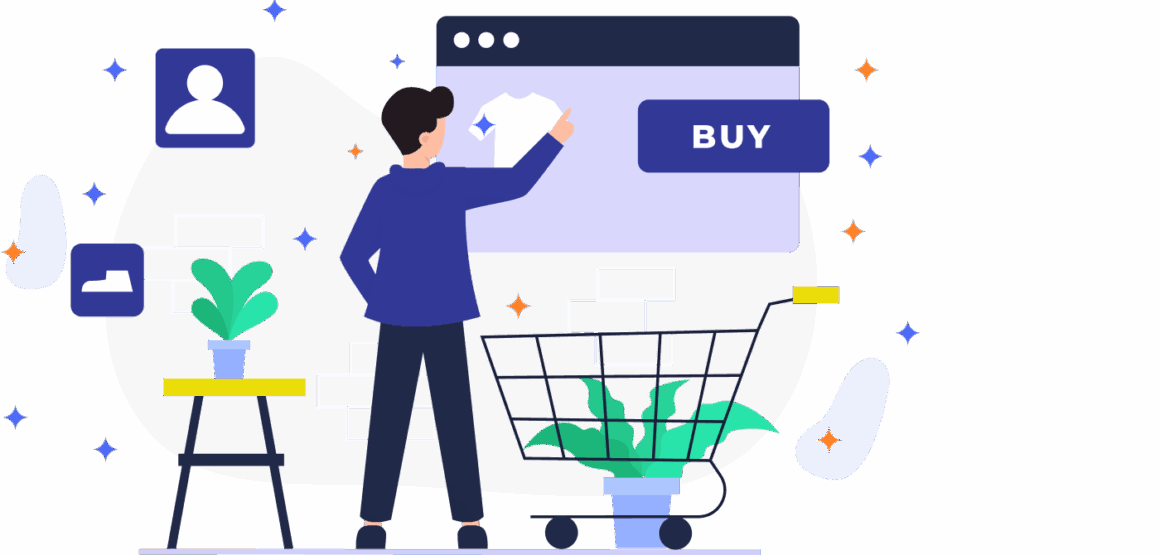
Zvýšení prodejů v B2B obchodě spočívá především ve zjednodušení zákaznické zkušenosti, protože na této cestě se vyskytuje mnoho překážek a zpoždění, která máte šanci odstranit. Zákazníci si nejen musí vybrat správné produkty a služby, které jim nabídnou nejlepší poměr ceny a kvality, ale během objednávkového procesu se také musí vypořádat s objednávkami, fakturami a další dokumentací. Další kroky, jako je například platba kreditní kartou, zvyšují náklady na celý proces a přinášejí s sebou dodatečnou byrokratickou zátěž, kterou musíte vyřešit jak vy, tak i vaši zákazníci.
Z tohoto důvodu se ve finančním sektoru používá specifický název pro veškeré zpracování objednávek, které podnik provádí: proces „ order-to-cash “ (O2C).
V tomto průvodci se podíváme na to, co je proces O2C, proč je důležitý a jaké jsou jeho klíčové složky.
Order-to-cash součástí vašeho celkového prodejního procesu. Když zákazník zadá objednávku, provedete tyto kroky, abyste dodali zboží nebo služby a obdrželi platbu.
Častou chybou internetových prodejců je to, že k firemním zákazníkům přistupují, jako by to byli běžní spotřebitelé. Firmy tvoří velkou část zákaznické základny a mají specifické potřeby, na které by měl systém O2C reagovat. Transakce typu B2B a B2C se liší v několika ohledech:
1. Možnosti nákupu
I přes slevy a akční nabídky se většina transakcí v segmentu B2C uskutečňuje v rámci jedné cenové úrovně, zatímco platby v segmentu B2B jsou rozmanitější. Můžete například nabízet základní balíček pro menší firmy a profesionální balíček pro větší podniky.
2. Rozhraní pro klienty
Webové stránky pro B2B elektronický obchod obvykle připomínají ovládací panel účtu, jehož účelem je poskytovat informace, aby klienti mohli rychle porovnat možnosti a učinit rozhodnutí. Webové stránky pro B2C transakce jsou navrženy především tak, aby působily atraktivně a přesvědčivě a podpořily konverzi.
3. Zložitosti při placení
Chcete-li podpořit konverze v segmentu B2C, je třeba, aby byl proces platby co nejjednodušší a nejplynulejší. Jakékoli další kroky mohou vést k opuštění nákupního košíku, což je noční můrou dnešních týmů zabývajících se elektronickým obchodem. Procesy platby v segmentu B2B mohou naopak zahrnovat všechny tyto dodatečné kroky, aby zohlednily větší složitost transakcí mezi podniky.
Trh B2B bude představovat větší část vašich činností v rámci O2C, zatímco práce na trhu B2C může být složitější.
Co vše zahrnuje proces O2C?

Obvykle považujeme prodej a marketing za kroky předcházející procesu O2C, jelikož se snažíte dosáhnout konverzí u potenciálních kupujících, avšak ani v rámci procesu O2C tyto aktivity zcela nechybí.
Stejně tak i po vyřízení objednávky podniky nadále zaznamenávají tuto činnost a hledají nové způsoby, jak tento proces optimalizovat. Tyto kroky se rovněž považují za součást procesu „ order-to-cash “.
Každý krok procesu „ order-to-cash “ si podrobněji rozebereme později. Prozatím si O2C představte jako zastřešující pojem pro správu objednávek, prověřování bonity, fakturaci, expedici, platby, účetnictví, vymáhání pohledávek a další činnosti související s procesem vyřizování objednávek.
A co B2B?

Pojem „business-to-business“ označuje obchodní vztah mezi společnostmi, například když jedna společnost poskytuje druhé společnosti produkty, služby nebo obojí výměnou za peníze. Zákazníkem je v tomto případě vždy jiná právnická osoba, organizace, společnost, vládní organizace nebo nevládní organizace.
To platí pro platby mezi podniky (B2B); například:
- Společnost, která si předplatila aplikaci od internetového startupu.
- Nemocnice objednávající odborné vzdělávací služby od externího poskytovatele.
- Výrobce notebooků nakupující komponenty, jako jsou displeje nebo procesory.
B2B vs. B2C
V rámci B2B se obvykle jedná o vyšší částky a ve srovnání s B2C (business-to-customer) může být tento proces z logistického hlediska složitější, i když ne vždy. Výsledkem je obecně delší a pomalejší proces, protože v jeho průběhu je třeba provést více ověření a přijmout více rozhodnutí.
Díky rozmachu ekonomiky založené na modelu „as a Service“ se v nadcházejících letech pravděpodobně výrazně zvýší počet transakcí v segmentu B2B.
Proč je kniha „ order-to-cash “ důležitá?
Mělo by být zřejmé, proč si služba order-to-cash zaslouží pozornost. Přispívá totiž přímo k vašemu zisku, ať už prodáváte zákazníkům, nebo získáváte faktury za větší nákup od jiné firmy.
Tím, že podniknete kroky v rámci procesu „ order-to-cash “, si také vytvoříte podmínky pro zavádění nových technologií a trendů, díky nimž získáte náskok před konkurencí. Například zhruba čtvrtina plateb v segmentu B2B se stále provádí papírovými šeky namísto elektronických plateb, což skýtá značný prostor pro optimalizaci procesů.
Mezi výhody optimalizace procesu O2C patří:
Lepší finanční evidence
Order-to-cash to přímo ovlivňuje způsob, jakým spravujete své peněžní toky. Je důležité zajistit, aby peníze směřovaly tam, kam mají, a tím předejít zpožděním a zároveň zajistit platební schopnost.
Dopad na ostatní části společnosti
Proces „ order-to-cash “ má dopad na další oblasti podnikání, od řízení zásob až po dodavatelský řetězec. Pokud někde dojde k úzkému místu, jeho dopady se projeví všude.
Vedení společnosti
Podnik, který má zavedeny správné postupy v oblasti O2C, bude pravděpodobně dosahovat dobrých výsledků i v dalších důležitých oblastech řízení společnosti, jako jsou prodej, vyřizování objednávek, expedice a účetnictví.
Druhy plateb v rámci B2B
Konkrétní platební metody používané při těchto transakcích závisí na preferencích dodavatelů, ale níže uvádíme některé obecné typy. Obchod mezi podniky (B2B) není tak přímočarý jako obchod mezi podniky a spotřebiteli (B2C), protože většina z nás se při nákupu v obchodě spoléhá výhradně na kreditní karty nebo hotovost.

Faktury jsou nejběžnějším transakčním dokladem používaným prodejci. Faktury obsahují podrobnosti o transakci, včetně data prodeje, čísla faktury, úplného jména a adresy dodavatele i zákazníka, identifikačních čísel pro účely DPH, množství, popisu, ceny a platebních podmínek za zboží a služby a dalších údajů.
Zde se dozvíte více o základech fakturace
Jak se hradí faktury v rámci B2B?
Faktury lze uhradit různými způsoby. Zde uvádíme několik nejběžnějších možností:
Hotovost
Hotovost je dnes poměrně neobvyklá, ať už mluvíme o B2B nebo B2C. Není vždy výhodné mít k dispozici veškerou hotovost najednou a pro provedení transakce musíte být fyzicky v blízkosti svého dodavatele. Hotovost také představuje určitý bezpečnostní problém, pokud ji posíláte poštou. Nečekejte, že bude hrát významnou roli na dnešním trhu.
Zkontrolovat
Stejně jako hotovost i papírové šeky s sebou nesou obvyklé nevýhody a rizika spojená s hotovostí. Zpracování šeků je navíc náchylné k chybám a časově náročné. Šeky dnes tvoří pouhých 26 % plateb mezi podniky (B2B), což představuje pokles z 81 % před dvěma desítkami let, a tato platební metoda rychle ztrácí na popularitě ve prospěch digitálních alternativ.
Bankovní převod
Bankovní převody patří mezi nejrychlejší způsoby platby v rámci B2B, protože příjemce může prostředky obvykle využít do 24 hodin. Provádění bankovních převodů může být nákladné, jsou však ideální pro mezinárodní platby.
Automatizovaná zúčtovací síť (ACH)
ACH se používá při přímém převodu peněz z jednoho bankovního účtu na druhý. Vzhledem k množství papírování, které s tím souvisí, se pravděpodobně nepoužívá pro jednorázové nákupy, ale vyniká při opakovaných platbách. Je totiž relativně rychlý a má nízké poplatky. Mějte však na paměti, že je k dispozici pouze ve Spojených státech a v případě chyby může být obtížné ji zvrátit. Existují také obavy o ochranu soukromí, protože k provedení převodu musíte sdílet informace o svém bankovním účtu.
Virtuální karty
Kreditní karty a ACH jsou již příklady elektronických plateb, ale dalším řešením, které v oblasti B2B získává na popularitě, jsou virtuální karty. Jejich používání je zpravidla bez poplatků, rychlé a bezpečné. V blízké budoucnosti se s nimi při obchodních transakcích jistě setkáme. Stejně jako u jakékoli kreditní karty patří mezi hlavní nevýhody poplatky za zpracování.
Tradiční platební brány
Někteří poskytovatelé služeb fungují jako prostředníci mezi odesílatelem a příjemcem peněz. Poskytovatel platební brány shromáždí peníze a bezpečně je uloží na místě určení. Známým příkladem, který možná znáte, je Stripe. Platební brány lze použít jak pro jednorázové, tak pro opakované transakce, ale mějte na paměti, že při jejich používání se spoléháte na odborné znalosti poskytovatele platební brány.
Platební brány pro B2B
Platební řešení optimalizovaná pro firemní zákazníky, která umožňují odesílat faktury v různých formátech při dokončení objednávky. Ověřování zákazníků lze spravovat prostřednictvím integrovaných aplikací pro pracovní postupy nebo povinných účtů s bezpečným přihlášením.
Qvalia Autobilling – platební brána pro B2B optimalizovaná pro elektronický obchod
Stručný přehled procesu „ order-to-cash “
order-to-cash lze rozdělit do následujících obecných kroků: správa objednávek, správa úvěrů, plnění, expedice, fakturace, pohledávky, inkaso plateb a reporting.
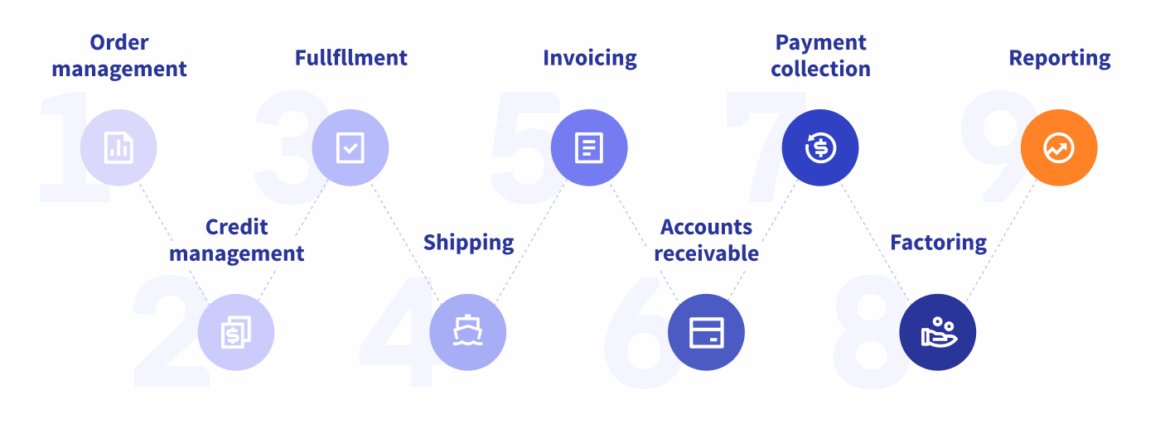
1. Správa objednávek
order-to-cash začíná v okamžiku, kdy zákazník zadá objednávku, která může mít následující formu:
- Zasílání e-mailů vašemu prodejnímu týmu
- Kontaktování zástupce zákaznického servisu
- Dokončení nákupu na e-shopu
Ať už je to jakkoli, právě zde začíná fáze zpracování objednávky. Využijte automatizaci k tomu, abyste všechny zúčastněné strany informovali o objednávce a dalších krocích. Teprve tak můžete zajistit rychlé vyřízení a přesnost objednávky. Výsledkem bude nakonec spokojený zákazník a vyšší tržby pro vás.
2. Správa úvěrů
Pokud se jedná o první nákup konkrétního zákazníka, může být vhodné provést kontrolu bonity. Automatizace může pomoci vyřídit většinu práce, zatímco finanční zaměstnanci se mohou věnovat případům, které vyžadují komplexnější dohled.
Správa úvěrů je z velké části úkolem oddělení pohledávek, protože umožňuje kvalifikovaným zákazníkům přejít k plnění a zároveň zajišťuje, že vaše společnost poskytuje úvěry pouze v případě, že je to nutné.
Automatizační řešení jsou v tomto případě smysluplná, protože umožňují vést záznamy v reálném čase, když je to potřeba. Mohou také pomoci digitalizovat vaše objednávky, aby byly relevantní údaje vždy čitelné. Zpracování objednávek tradičním papírovým způsobem může vést k chybám a neefektivitě.
V případě, že nemůžete splnit objednávku, informujte zákazníka a vystavte zrušení, abyste předešli dalším frustracím souvisejícím s fakturací.
3. Realizace
Z pohledu prodejce je rozumné zavést správné postupy pro správu zásob, aby nedošlo k vyprodání zásob v okamžiku, kdy přijde nová objednávka.
4. Doprava
Fáze expedice v rámci order-to-cash do značné míry na přesné logistice, která zajišťuje spolehlivost a rychlost. Doba expedice a harmonogramy vyzvednutí jsou důležité pro to, aby se objednávky dostaly k zákazníkům včas.
5. Fakturace
Zpoždění při fakturaci jsou známá tím, že kazí zákaznickou zkušenost. Zpoždění a nepřesnosti jsou nepříjemné pro všechny, proto vám kontrola fakturačního procesu pomůže naplánovat cash flow a minimalizovat frustraci klientů.
Rychle se zrychlující přechod od analogových formátů faktur k elektronické fakturaci přesouvá papírovou agendu do digitálního pracovního prostředí. Díky využití plně digitálních formátů a nově vznikajících sítí pro výměnu obchodních dokumentů, jako je například Peppol, přináší digitální správa vyšší efektivitu a poskytuje vám větší kontrolu nad obsahem a správností vašich faktur. Výhody elektronické fakturace jsou četné:
Rychlejší platba
Kupující, který obdrží fakturu, ji musí pečlivě projít schvalovacím procesem. Elektronická fakturace umožňuje rychlejší platbu a tím i lepší cash flow, aniž by došlo k vynechání některého kroku schvalovacího procesu.
Nižší náklady
Vyšší spokojenost zákazníků
Díky menšímu počtu opožděných plateb, zamítnutých faktur a obecných chyb vede efektivnější platební systém k lepšímu zákaznickému zážitku, díky čemuž se k vám kupující budou rádi vracet.
Soulad
Díky lepší informovanosti a větší kontrole nad celým procesem pomáhá elektronická fakturace vaší firmě dodržovat regulační požadavky v oblasti účetnictví a finančního řízení.
6. Pohledávky

Oddělení pohledávek je zodpovědné za dohled nad neuhrazenými fakturami a řešení případných chyb, které by mohly způsobit zpoždění platby. Zaměstnanci tohoto oddělení se obvykle musí podrobně seznámit s údaji v order-to-cash , aby mohli co nejdříve vystavit opravenou fakturu.
Právě z tohoto důvodu se dostala do popředí automatizace fakturace. Faktury vyžadují značné množství ruční práce a zadávání údajů, včetně data objednávky, dodacích lhůt, specifikací produktů a dalších informací. Snížení této zátěže pro vaše zaměstnance vede k významnému zlepšení výkonnosti.
Proměňte objednávky v tržby rychleji díky automatizaci order-to-cash
7. Inkaso plateb
Pokud je vaše oddělení pohledávek dostatečně efektivní, bude zpracovávat platby od zákazníků dostatečně rychle, aby je váš proces O2C mohl přijmout. V opačném případě riskujete, že dojde k napětí ve vztazích s vašimi klienty a v dlouhodobém horizontu narušíte odhady cash flow.
Na druhou stranu je třeba počítat i s tím, že zákazníci budou se svými platbami v prodlení. V takovém případě musí systém tyto zákazníky automaticky upozornit, pokud se pokusí o další nákup. Vaše finanční týmy musí rovněž prověřovat splatné platby a přijímat rozhodnutí na základě prognóz zadlužení.
8. Faktoring
Vzhledem k tomu, že faktury často obsahují dlouhé platební lhůty, které způsobují problémy s cash flow, obracejí se společnosti působící na B2B trzích na faktoringové společnosti. Faktoring je postup, při kterém se nezaplacené faktury odkupují za sníženou cenu, aby majitel faktur získal hotovost rychleji.
Jakmile poskytovatel faktoringových služeb obdrží fakturu, převezme na sebe proces její úhrady. Faktoring se vyplatí, pokud vám nevadí nižší částka, pokud ji však obdržíte v kratším časovém horizontu. Jinými slovy, urychlujete tak peněžní tok tím, že přijímáte peníze ještě předtím, než váš klient fakturu zcela uhradí.
9. Podávání zpráv

Povědomí o tom, co se děje ve vašem order-to-cash , je důležité, protože vám umožňuje pochopit, jak tyto finanční aktivity ovlivňují zbytek vaší společnosti:
- Vztahy s dodavateli a klienty
- Podrobnosti týkající se prodejního cyklu
- Kvalita zákaznického servisu
- Konzistentnost, s jakou zpracováváte fakturaci
Proto má mnoho softwarových programů zabudované funkce pro reporting a analytiku. Proces Order-to-cash velmi propojený; jeden zpožděný krok může způsobit problémy ve všech ostatních fázích. Management často používá reportingové nástroje k odhalení drobných problémů a jejich řešení, aby se celkově zlepšil proces O2C.
Hlavní klíčové ukazatele výkonnosti a metriky O2C

Podniky musí pravidelně sledovat všechny aspekty procesu „ order-to-cash “, aby se ujistily, že vše funguje správně a efektivně. V této souvislosti se zkušené manažerské týmy zaměřují na několik běžných ukazatelů.
Doba splatnosti pohledávek (DSO)
Ukazatel „day’s sales outstanding“ (DSO) nám ukazuje, jak dlouho trvá, než podnik obdrží platbu po uskutečnění prodeje. Sledování peněžních toků může být náročné a manažeři, kteří řídí společnost na úvěr, musí tento údaj znát, aby mohli udržet zadlužení pod kontrolou a přesně sledovat výnosy.
Podíl na tržbách
Jak velkou měrou přispívá proces „ order-to-cash “ k celkovým tržbám podniku? Čím vyšší je tato hodnota, tím více vyděláváte na prodeji produktů ve srovnání s jinými zdroji příjmů. Většina manažerských týmů by samozřejmě raději tuto hodnotu maximalizovala; obvykle se uvádí jako procentní podíl z celkových tržeb.
Ekvivalent plného pracovního úvazku (FTE)
Ekvivalent plného úvazku (FTE) je měřítkem pracovní zátěže zaměstnance. Pro O2C je to důležité, protože chcete znát individuální produktivitu každého zaměstnance v souvislosti s prodejem.
Pokud je pracovní zátěž příliš vysoká vzhledem k počtu zaměstnanců na místě, je to pro vás signál, že je třeba na tento úkol přidělit více pracovníků. Stejně tak můžete uvažovat o snížení počtu zaměstnanců, pokud jich je příliš mnoho.
Měření FTE je způsob, jak optimalizovat vaše současné náklady a pomoci plánovat budoucnost, kdy budete muset rozhodnout, kolik zaměstnanců budete potřebovat pro budoucí projekt.
Četnost podávání zpráv
Již dříve jsme zmínili, že reportování a analytika hrají důležitou roli v procesu „ order-to-cash “, ať už se jedná o dodavatelský řetězec, správu zásob, výrobu nebo logistiku.
Pravidelné zprávy vám poskytují aktuální přehled o tom, jak hladce vše probíhá, a umožňují vám sledovat klíčové ukazatele výkonnosti, které přímo souvisejí s procesem O2C.
Míra automatizace
V návaznosti na předchozí bod je zřejmé, že proces O2C se do značné míry opírá o papírovou agendu, zadávání dat a analytiku. Tyto tři úkoly lze provádět mnohem rychleji a spolehlivěji pomocí automatizovaných softwarových řešení než tradičními manuálními metodami. Zavedení automatizace vám umožní zvýšit výkonnost, minimalizovat zpoždění a snížit riziko chyb. Často také vede k lepším analytickým a reportovacím schopnostem. Nezanedbávejte proto sledování míry automatizace a potenciálu pro automatizaci.
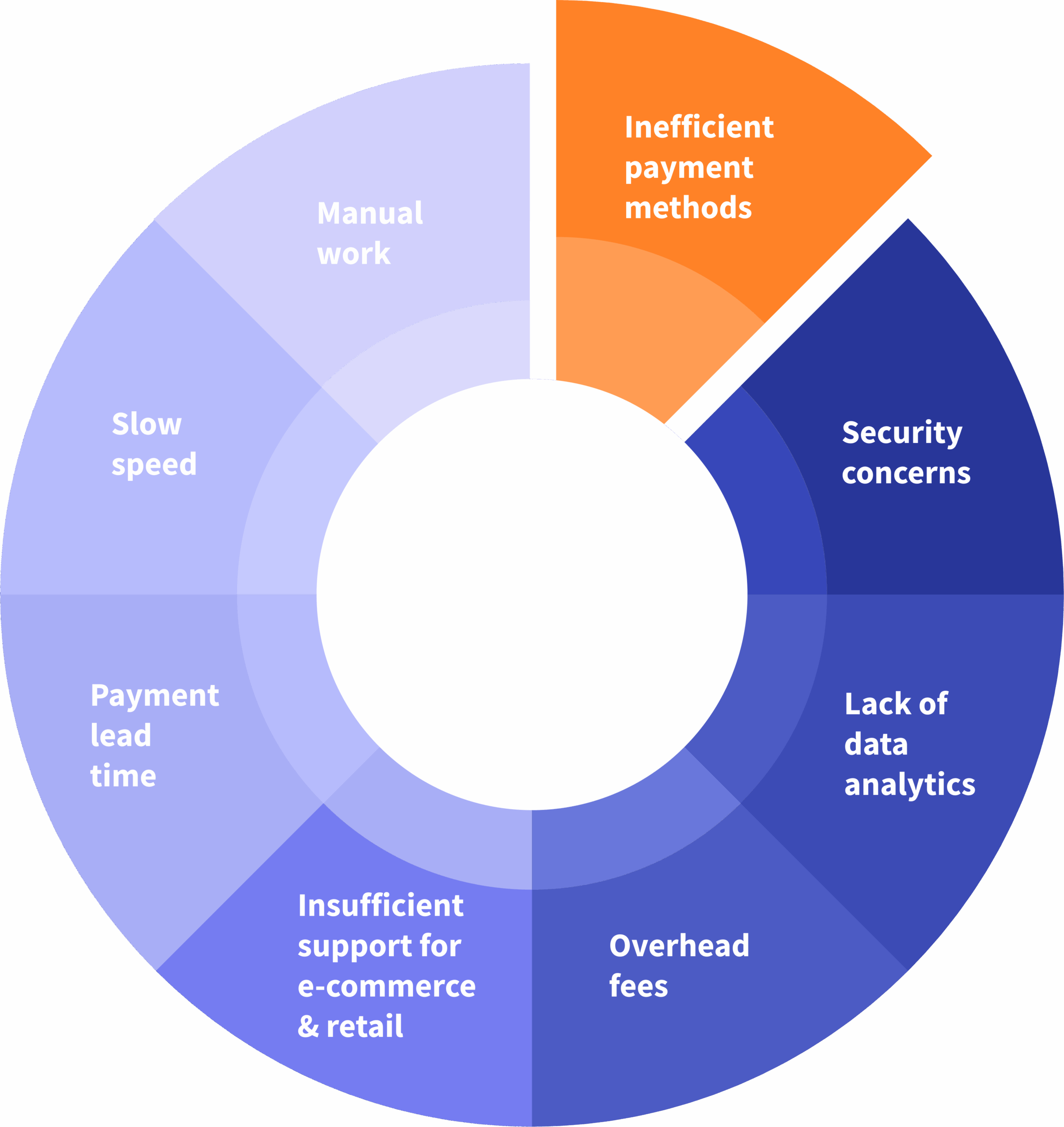
Výzvy spojené s implementací plateb O2C
Order-to-cash je nezbytný proces, ale není bez obtíží. Efektivní vyřizování plateb v rámci B2B může být z několika důvodů poměrně náročné.
Neefektivní způsoby platby
Mluvíme o papírování. Ať už jde o šeky nebo hotovost, tradiční způsoby platby jsou pro dnešní provoz prostě příliš pomalé, přesto však stále tvoří 26 % všech transakcí mezi podniky (B2B). Přechod na digitální formu je nevyhnutelnou změnou, jejíž zavedení bude vyžadovat určité úsilí.
Ruční práce
Velká část fakturace prováděné v rámci order-to-cash mnoho rutinního zadávání dat a fyzické papírování. Podniky se snaží najít rovnováhu mezi těmito typy úkolů a důležitějšími pracemi, kterým by se zaměstnanci mohli věnovat. Část přitažlivosti finanční automatizace spočívá v uvolnění času během dne pro jiné úkoly, jako je strategické plánování.
Nízká rychlost
Hlavním důsledkem výše uvedených dvou problémů je obecně pomalejší proces O2C. Pokud tento pracovní postup nedokážete zrychlit, riskujete zpoždění nebo nevyužití slev za včasnou platbu.
Lhůta pro úhradu
U velkých B2B transakcí může trvat několik dní, než je objednávka zadána a než se peníze objeví na druhém účtu. Jak zajistíte, aby byl váš cash flow nastaven tak, aby tuto dobu čekání umožňoval?
Režijní poplatky
Mnoho platebních metod s sebou nese určité dodatečné náklady na zpracování, které se mohou výrazně nasčítat, zejména pokud provádíte pravidelné platby. Tyto náklady budete muset zohlednit při finančním plánování.
Bezpečnostní obavy
Ochrana citlivých údajů sdílených během transakce je důležitá, protože jistě nechcete ztratit důvěru svých zákazníků, obchodníků či obchodních partnerů.
Nedostatek analýzy dat
Sledování toku peněz je důležité pro zachování přehlednosti během transakcí a kontrolu potenciálních chyb, přesto mnoho podniků nemá k dispozici vhodné systémy, které by to umožňovaly.
Nedostatečná podpora elektronického obchodování a maloobchodu
Software pro fakturaci málokdy zahrnuje podporu platebních řešení a tradiční platební brány nejsou, až na několik výjimek, optimalizovány pro potřeby transakcí typu B2B.
Jaká je odpověď na tyto naléhavé výzvy, kterým dnes čelí podnikatelský sektor?
Úloha technologie v order-to-cash
Opakujícím se tématem této příručky je role automatizace při řešení mnoha problémů, s nimiž se dnes společnosti potýkají v souvislosti s procesem „ order-to-cash “.

Snižování nákladů
Kromě nižších poplatků za používání virtuálních karet může zpracování faktur prostřednictvím platebního řešení B2B přinést úsporu několika dolarů na každé faktuře. U firem, které zpracovávají velké množství objednávek, se tyto částky postupně sčítají.
Lepší výkon
Automatizace vždy vede k vyšší efektivitě, ale nečekejte, že zcela nahradí práci vašich zaměstnanců. Cílem těchto řešení je doplnit pracovní postupy tak, aby se zaměstnanci mohli soustředit na zajímavější a hodnotnější části své práce.
Funkce pro vytváření přehledů
Díky úplnému přehledu o činnostech v oblasti závazků a pohledávek získáte více možností, jak sledovat stav plateb, řídit peněžní toky a nacházet nové způsoby, jak celý proces optimalizovat.
Kyberbezpečnost
Hrozba kyberkriminality nám neustále leží na mysli, ale naštěstí mnoho řešení typu O2C na ni reagovalo vlastními integrovanými bezpečnostními funkcemi, které chrání před podvody, porušením předpisů a dalšími potenciálními hrozbami.
Optimální správa O2C spočívá v tom, že máte kdykoli přístup ke všem fázím procesu a můžete je řídit. Budete také potřebovat všechny doplňkové nástroje, jako je digitální fakturace, podpora řešení pro elektronický obchod, sesouhlasování plateb a automatická oznámení o odeslání zásilek. Teprve nedávno se objevily specializované finanční platformy, které tento typ správy v dnešních pracovních postupech umožňují.
Naše závěry
Order-to-cash zahrnuje všechny činnosti, nástroje a procesy, kterými podniky procházejí při vyřizování objednávky od zákazníka. Od počátečního nákupu přes dodání až po následnou analýzu dat – tento složitý, ale nezbytný proces zahrnuje celou řadu činností.

Společnosti, které zvládnou proces O2C, často zaznamenávají vyšší spokojenost zákazníků díky menšímu počtu zpoždění plateb a komplikací. Například zavedení uživatelsky přívětivé platební brány pro B2B, jako je například služba Autobilling od společnosti Qvalia, na vašem e-shopu pomáhá B2B zákazníkům zadávat objednávky bez nutnosti telefonátů, vyřizování výdajových zpráv či používání kreditních karet. Méně potenciálních zdrojů frustrace znamená lepší prodejní výsledky.
Automatizace rovněž pomohla široké škále podniků zavést spolehlivé procesy typu O2C tím, že odstranila rutinní úkoly a umožnila komplexní přehled, což zase vede k většímu počtu možností, jak optimalizovat transakce typu B2B.
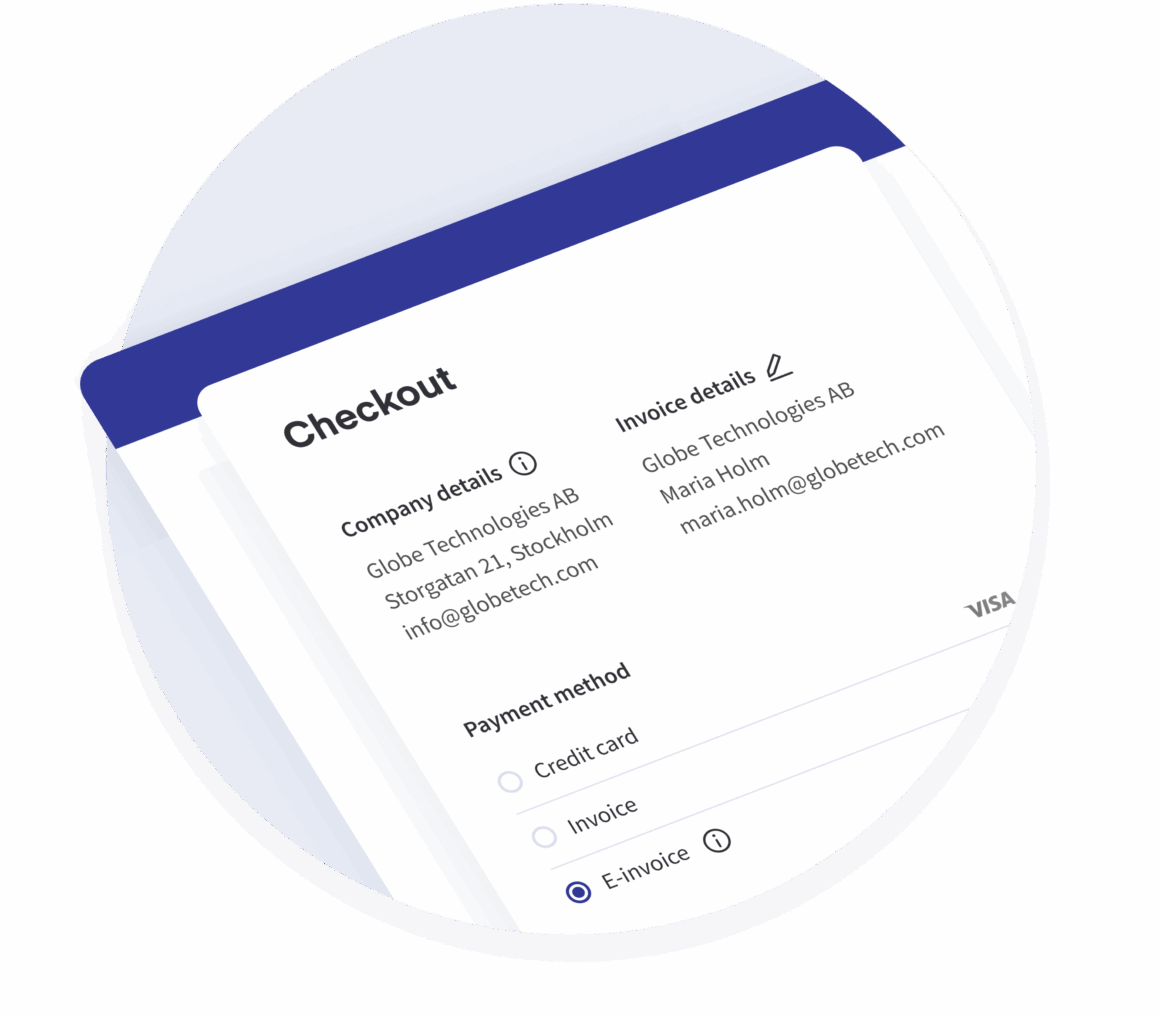
Order-to-cash nemusí být pro vaše týmy ani klienty žádnou zátěží. Naše řešení „ order-to-cash “ – Autobilling s komplexní automatizací – zahrnuje všechny funkce, které potřebujete k digitalizaci a zefektivnění vašich prodejních transakcí.
Často kladené otázky
Co je to „ order-to-cash “ (O2C)?
Order-to-cash je součástí celkového prodejního procesu. Zahrnuje všechny kroky, které podnik provádí od okamžiku, kdy zákazník zadá objednávku, až po přijetí platby, včetně správy objednávek, prověřování bonity, vyřízení objednávky, expedice, fakturace, pohledávek, inkasa plateb a vykazování.
Jaký je rozdíl mezi platbami typu B2B a B2C?
Transakce typu B2C jsou obvykle jednoduché, jednokolové a do značné míry se opírají o platby kreditními kartami nebo hotovostí. Platby typu B2B jsou rozmanitější, zahrnují vyšší částky a jsou zpravidla pomalejší a logisticky složitější, protože v průběhu celého procesu vyžadují více ověření a rozhodnutí.
Jaké jsou hlavní kroky v procesu O2C?
Proces „ order-to-cash “ se obecně dělí na správu objednávek, správu úvěrů, vyřizování objednávek, expedici, fakturaci, správu pohledávek, inkaso plateb, faktoring (je-li využíván) a vykazování.
Co je to DSO (počet dnů, po které jsou pohledávky neuhrazeny)?
Ukazatel „Days Sales Outstanding“ (DSO) měří, jak dlouho trvá, než podnik obdrží platbu po uskutečnění prodeje. Jedná se o klíčový ukazatel cash-flow, zejména pro společnosti obchodující na úvěr, protože pomáhá přesně sledovat závazky a výnosy.
Jaké jsou nejběžnější způsoby platby v oblasti B2B?
Mezi běžné způsoby platby v rámci B2B patří šeky, bankovní převody, převody prostřednictvím automatizované zúčtovací komory (ACH), virtuální karty, tradiční platební brány a platební brány určené speciálně pro B2B. Digitální způsoby platby postupně nahrazují papírové formy, jako jsou šeky a hotovost.
Jak může automatizace zlepšit webovou stránku order-to-cash?
Automatizace urychluje správu objednávek, prověřování bonity, fakturaci a vykazování a zároveň omezuje ruční zadávání dat a chyby v papírové administrativě. Obvykle vede k rychlejším platbám, nižším provozním nákladům, vyšší spokojenosti zákazníků a jasnějšímu přehledu o peněžních tocích v rámci celého procesu O2C.